Top-Down Pantograph for Automated Depot Operations
The e-Line™ Inverted Pantograph connects electric bus fleets to infrastructure – fully automatically, without manual interaction, with guaranteed precision at every approach.

The e-Line™ Inverted Pantograph connects electric bus fleets to infrastructure – fully automatically, without manual interaction, with guaranteed precision at every approach.
Charging on arrival
The top-down (inverted) pantograph principle places the charging unit on the infrastructure side – mounted under the ceiling, it is protected, always ready, invisible to the driver. The bus parks. Charging begins automatically. The driver does not need to intervene. This is the foundation of a truly autonomous depot operation.
Why automated charging is a strategic decision.
This is how it works
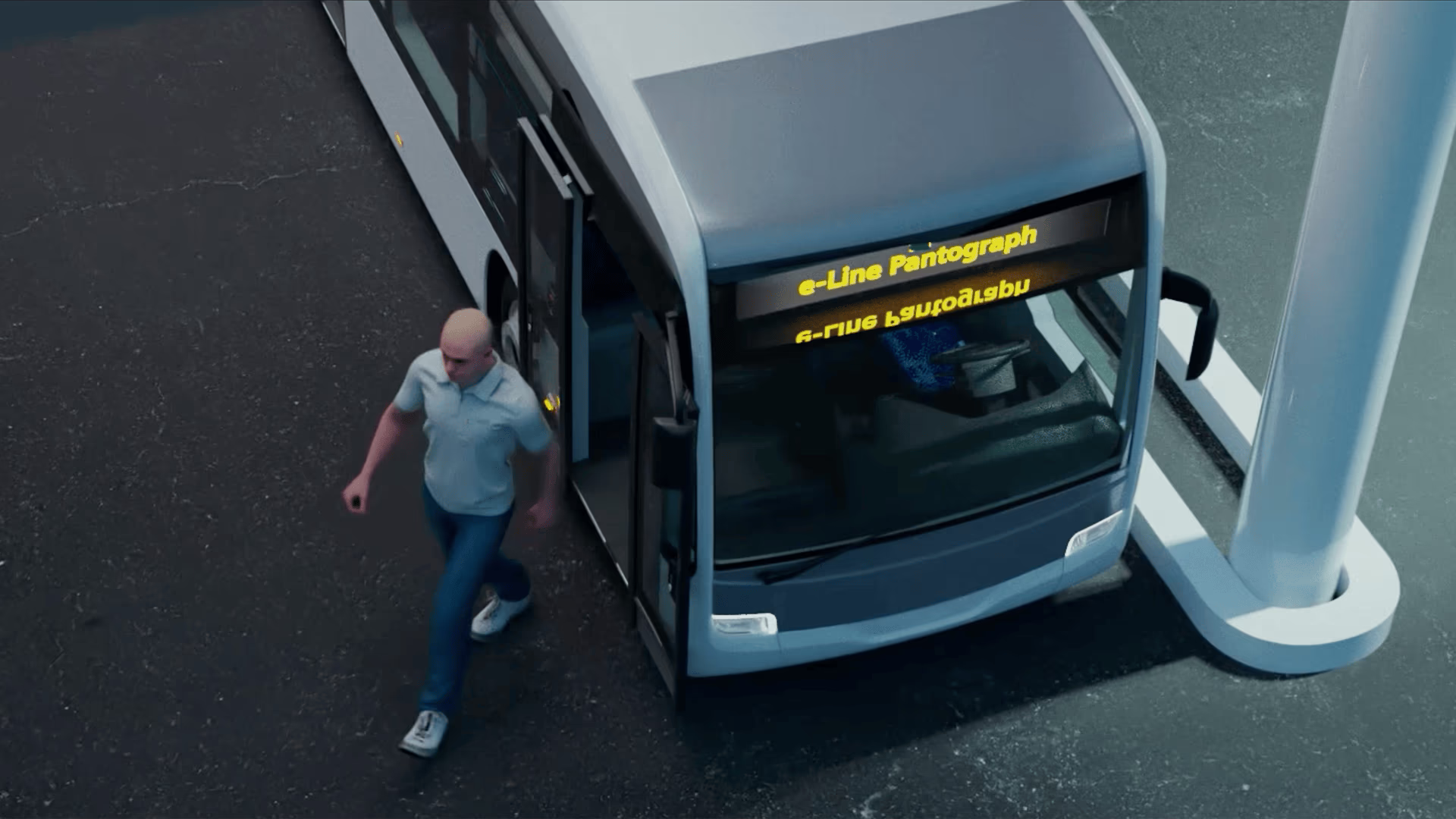
Fleet enters the depot
The driver parks the bus in the designated charging bay. No cable, no connection required.
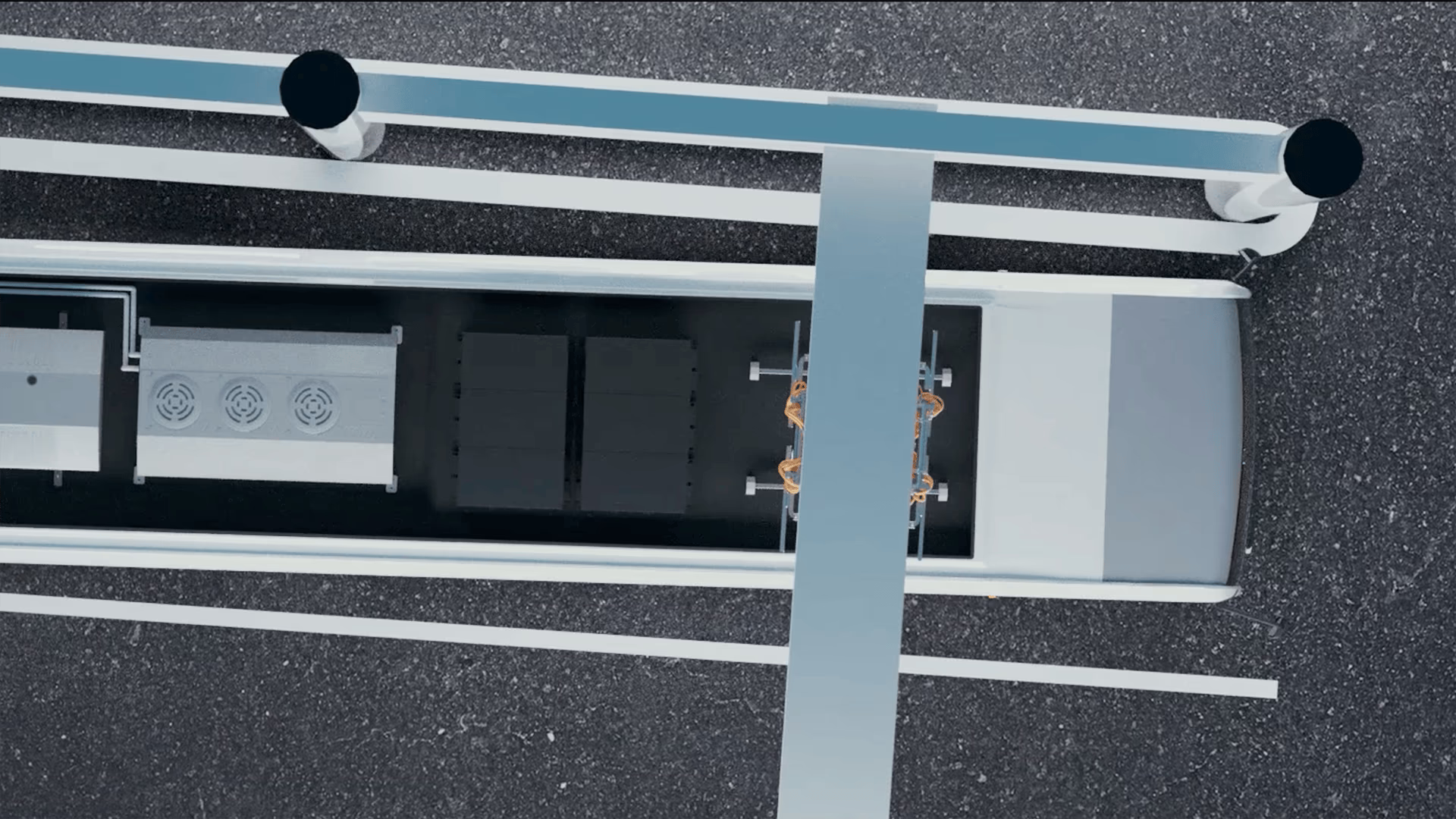
Communication & positioning
Vehicle and pantograph exchange positioning data. The system identifies the vehicle and its position before any movement.
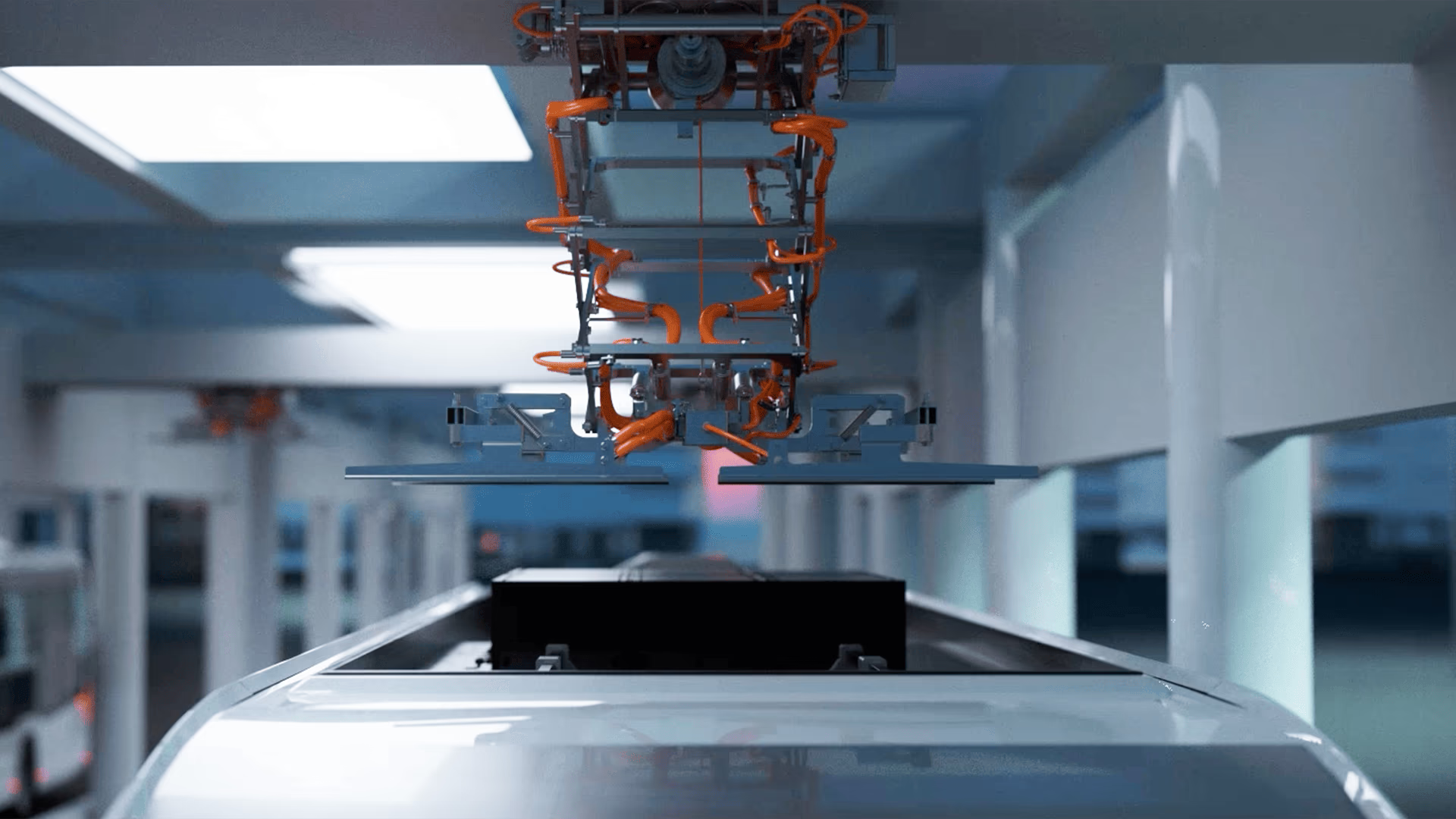
Pantograph descends
The e-Line™ lowers precisely, compensating for lateral, longitudinal and kneeling offsets in real time.
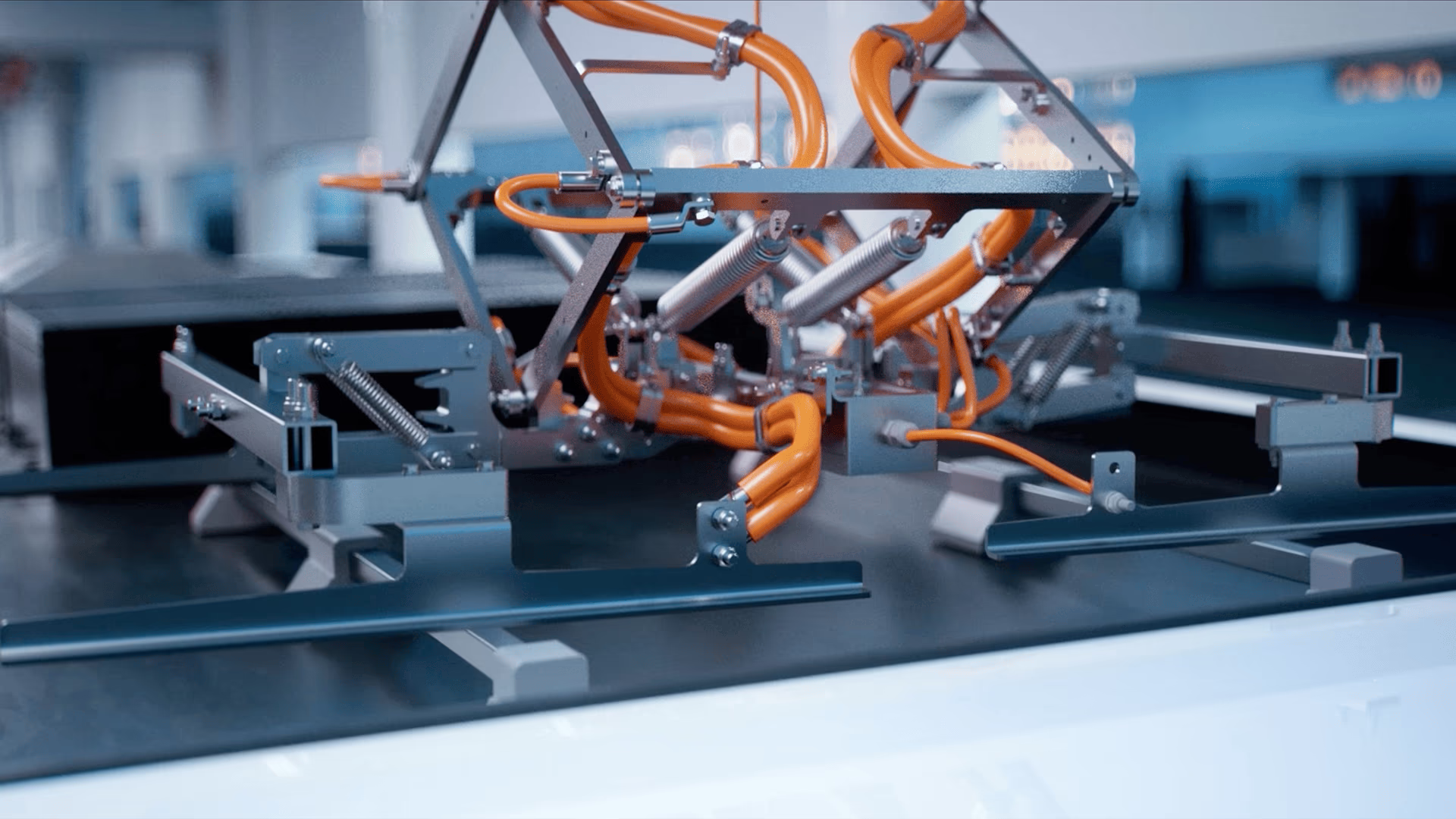
Charging – fully automatic
All four contact rails engage. Up to 1,000 A begins to flow. No further action required. The bus is ready by morning.

Operational efficiency
- Fully automated charging – no manual connection required
- Zero personnel needed during charging cycles
- High fleet availability: every bus charged, every night
- Reliable operation proven by extensive field tests

Charging performance
- 800 A continuous – fastest depot charging cycles
- Peak current of 1,000 A available as a customized variant
- Shorter turnaround times = higher fleet utilization
- 400 A cost-effective variant for standard depot requirements

Fleet flexibility
- Operating range 461–2,071 mm – one system for all vehicle types
- Compatible with city buses, double-deckers, coaches and trucks
- ±270 mm lateral and ±300 mm longitudinal offset tolerance
- Global compatibility: SAE J3105-1 and EN 50696 certified

Total cost of ownership
- Lightweight design (from 78 kg) reduces infrastructure costs
- Modular architecture – adaptable to future requirements
- Minimal maintenance: few components, clean kinematics
- Self-retraction on power failure – no manual reset required
Four levels of operational impact.
Precision and safety at every approach. Every time.
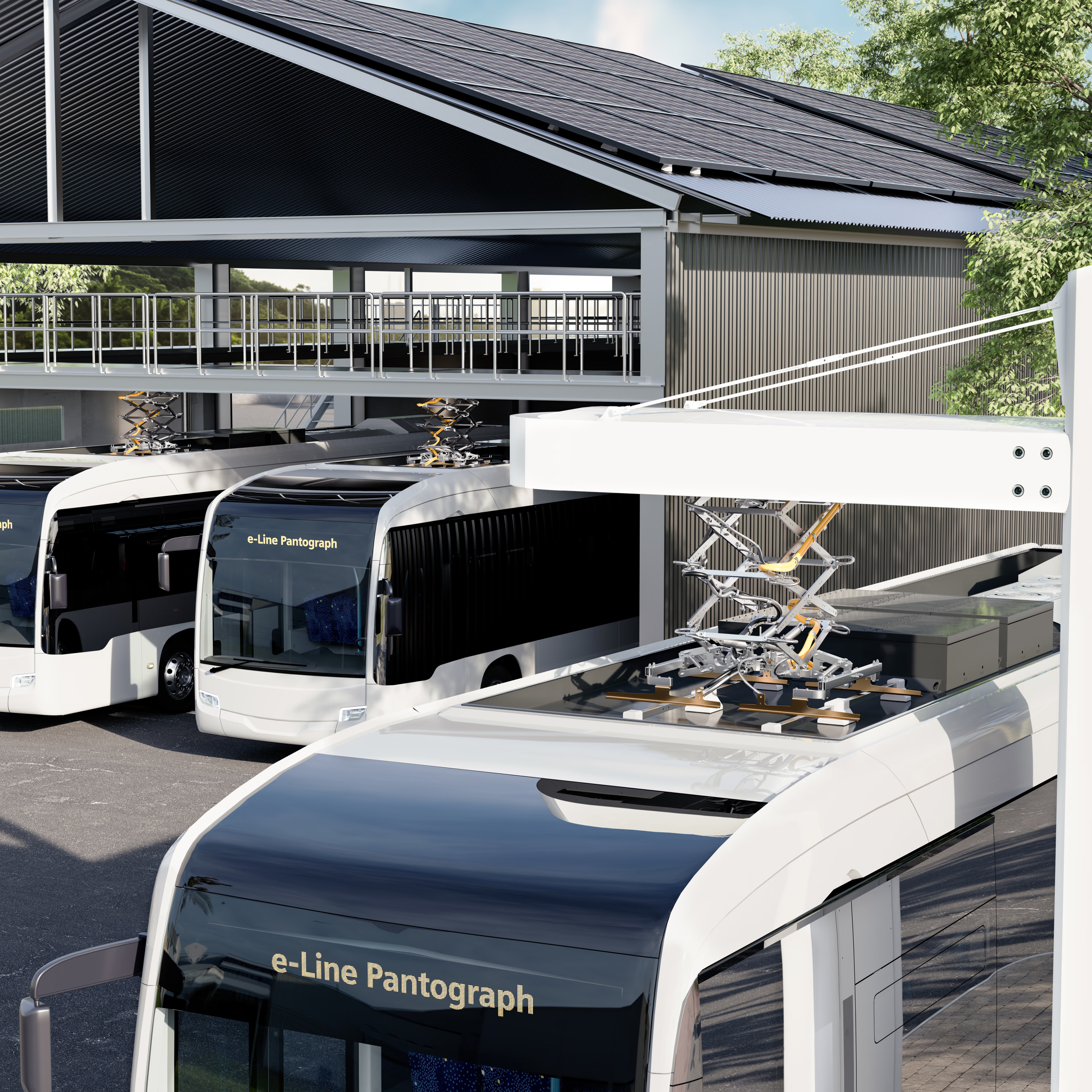
Built for every operating environment.

Depot charging
The primary use case – and the most demanding. Entire fleets charge overnight without personnel, fully automatically. Now the most widespread application with the highest unit volumes. The e-Line™ is optimized for exactly this scenario.

Indoor bus stops
For covered stations and terminal halls. The compact folded profile (461 mm) fits low-clearance environments without structural adaptation.

Charging at end stops
Opportunity charging during layover – the pantograph connects in seconds, adds range between routes, retracts before the next departure.