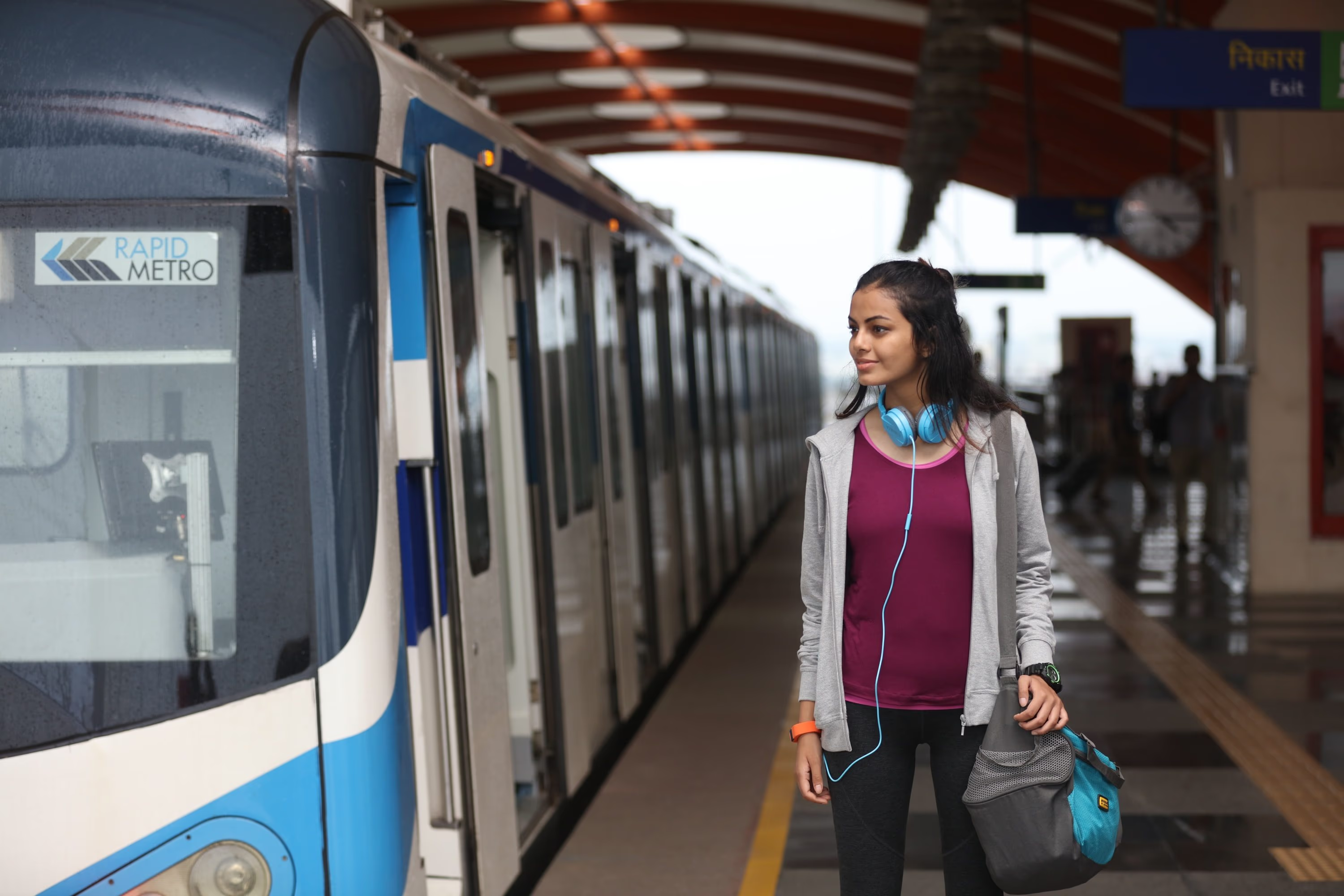
Intelligent Mobility
With significant economic growth expected over the next two decades, India’s cities face the challenge raising productivity and efficiency of their transport systems.
Freedom of movement
The quick and efficient movement of people and goods is a crucial issue – one of the drivers of global competitiveness and quality of life. People expect their daily mobility to become more flexible, reliable and affordable. Cities, on the other hand, must deal with limited space and find ways to reduce costs, noise and emissions their transport systems produce.
Every year, about 10 million people move from the countryside into India’s cities. The pressure on city authorities is already high and it's growing all the time. The transport industry is seeking solutions that will enable the existing infrastructure to cope. Ensuring seamless mobility in the future will require networked transportation and information systems that encompass all modes of transport.
The smart way to go
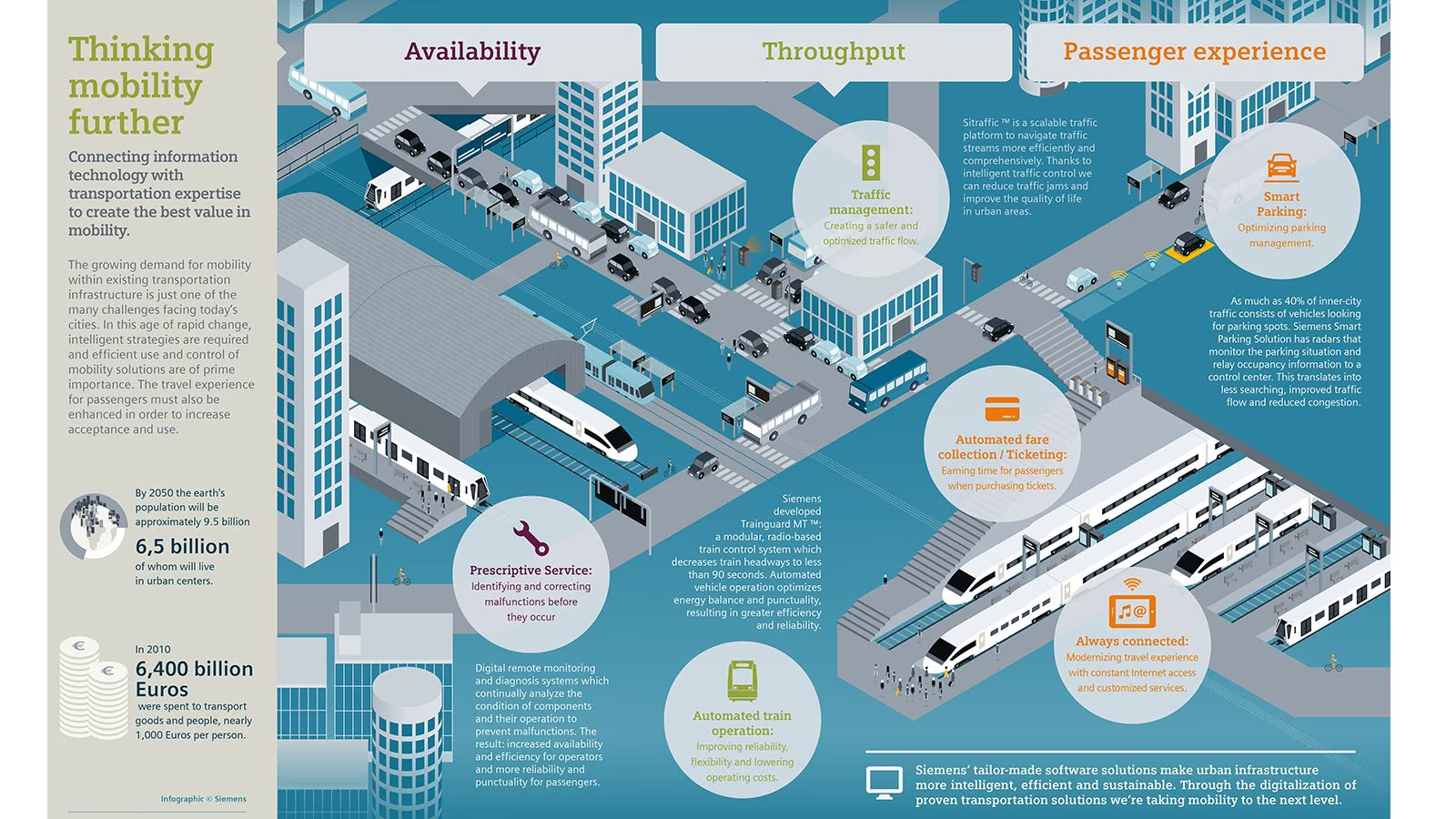
A city’s transport system has a direct impact on its environment, quality of life, and its ability to generate jobs. A safe and efficient transport system is needed to move people and goods using as little energy as possible with minimal noise. Cities must begin now to optimize their existing infrastructure to increase capacity, cut waiting times, and ensure it provides a viable service for citizens.
Planning authorities need to take a Smart City approach and ensure their infrastructure integrates with other services and platforms. An integrated mobility platform can give citizens an overview of available transport services, intelligently combined with individual means of transport. It also makes it easier for operators to incorporate complimentary mobility services into their own portfolio, ultimately simplifying planning, booking, and charging for intermodal transport services.

How can cities improve their transport network?
Getting around India
India’s Railways:
19,000
trains make up one of the world’s largest transport and logistics networks
23,000,000
passengers a day travel on 12,000 trains
Excellence in action
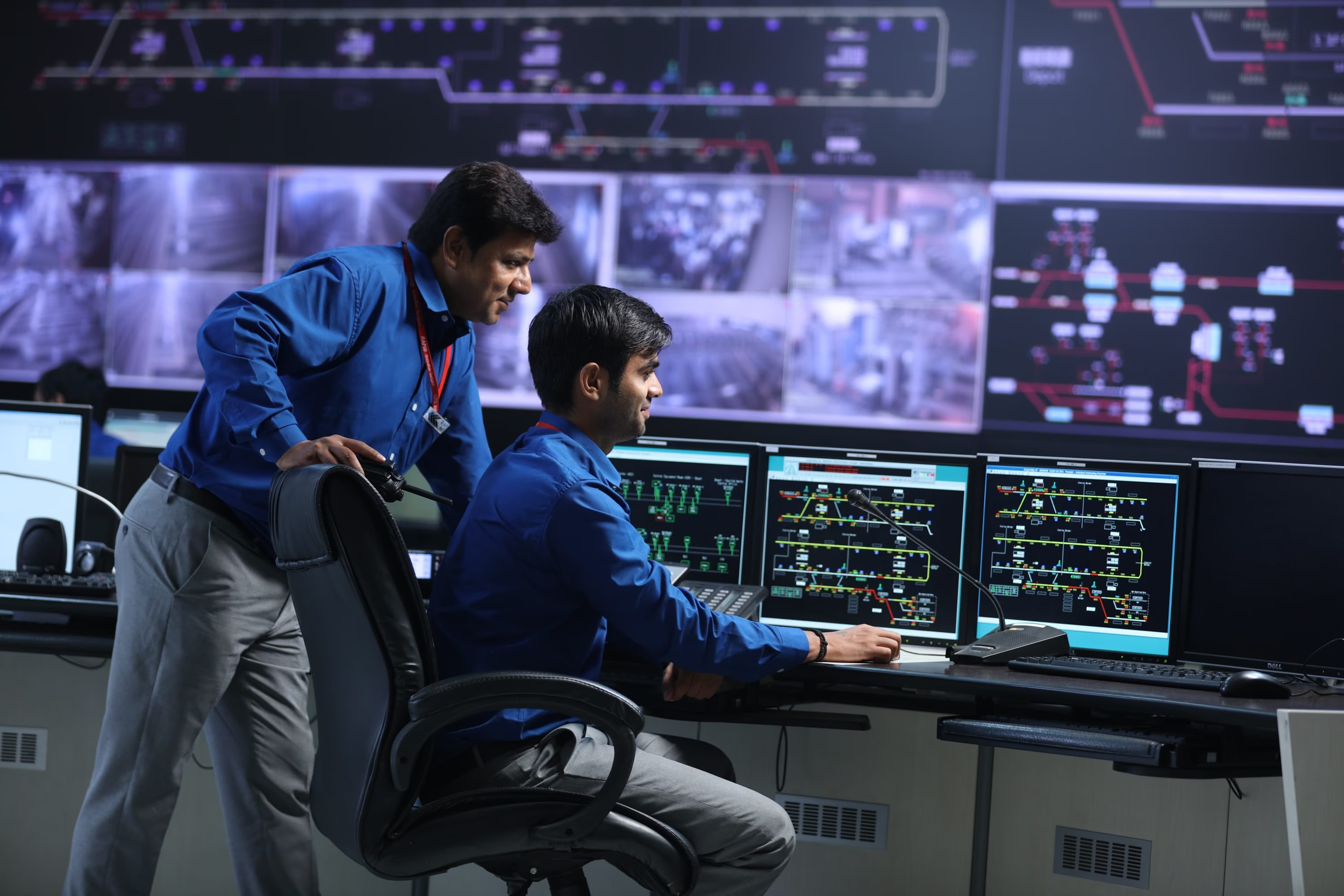
Rapid MetroRail Gurgaon
- Siemens completed 58 km of Line 3 of the Delhi Metro with signalling and rail communication systems
- Siemens is currently executing electrification for the 85-km stretch, 59 stations, and five receiving sub-stations for Phase III of DMRC project
- Scope includes design, manufacture, supply, and commissioning of state-of-the-art 25kV AC catenary system for overhead line electrical supply