Alternative propulsion solutions for commuter trains
With more than 400 sold, the beloved, reliable and innovative Siemens Mobility Charger locomotive platform is now being taken to the next level: removing the diesel engine and adding alternative methods of propulsion, including battery and battery/electric propulsion. This simple, sustainable change in energy source will improve commutes across the country.
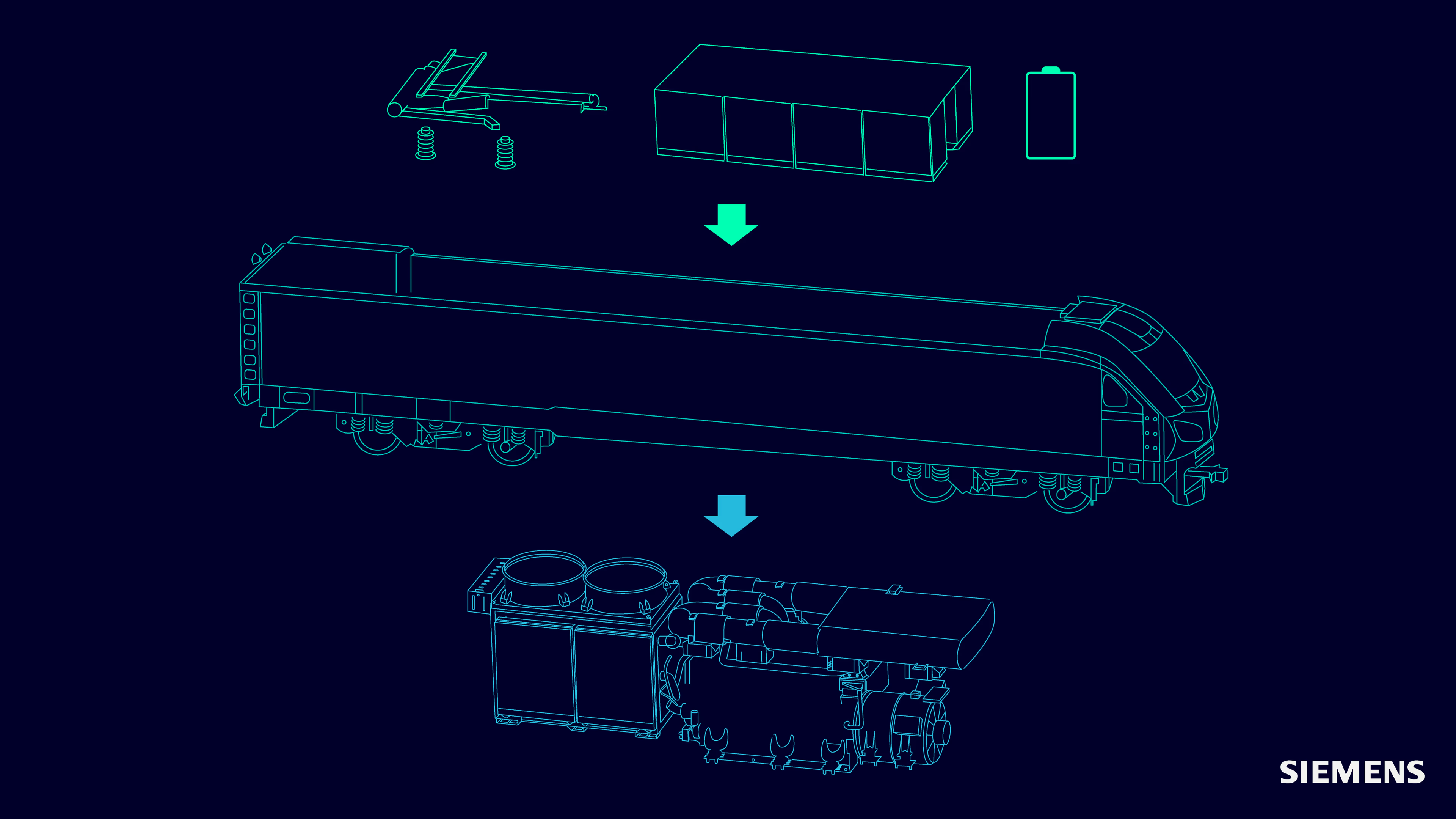
With more than 400 sold, the beloved, reliable and innovative Siemens Mobility Charger locomotive platform is now being taken to the next level: removing the diesel engine and adding alternative methods of propulsion, including battery and battery/electric propulsion. This simple, sustainable change in energy source will improve commutes across the country.
The Charger locomotive transformed: B+ and B+AC
Charger B+
The Charger locomotive platform – upgraded to remove the diesel engine and add in battery traction power – for a commuter solution that emits zero emissions.
Charger B+AC
The Charger B+ solution – with added pantograph and transformer - to utilize the AC catenary on electrified routes. Battery when you need it, catenary when you don’t.
Introducing: The Next Generation of Locomotive Power
An innovative, sustainable, modern transportation solution
The technological components in our battery-powered locomotives are installed on the roof or underfloor of the Charger locomotive, leaving room for significant battery capacity on the inside. With batteries charged in motion or in stations via overhead catenary contacts, passenger experience increased comfort during acceleration when compared to convention propulsion methods.
Built-in bonus: cost-effectiveness
Thanks to energy savings and reduced lifecycle costs, operation of our battery-powered locomotives is extremely cost-effective (up to 45 percent reduction in operating costs), when compared to traditional propulsion systems.
Your benefits:
- CO₂-free operation when using power from renewable sources
- Low noise level
- High-charging capacity: Reduction of required charging stations
- Simple & rugged design permits use of larger batteries
- Simplified maintenance: Minimal handling of fluids and simplified traction link
- Increased operational flexibility: Battery powered train movements in yard and in buildings possible