Assisted and driverless train operation
Growing urbanization is accelerating the demand for greater mobility and reinforcing an unstoppable trend: the shifting of transport from road to rail. At the same time, however, a shortage of trained drivers is already foreseeable in the immediate future. How can we solve this dilemma? Our response is to assist drivers by using groundbreaking innovations.
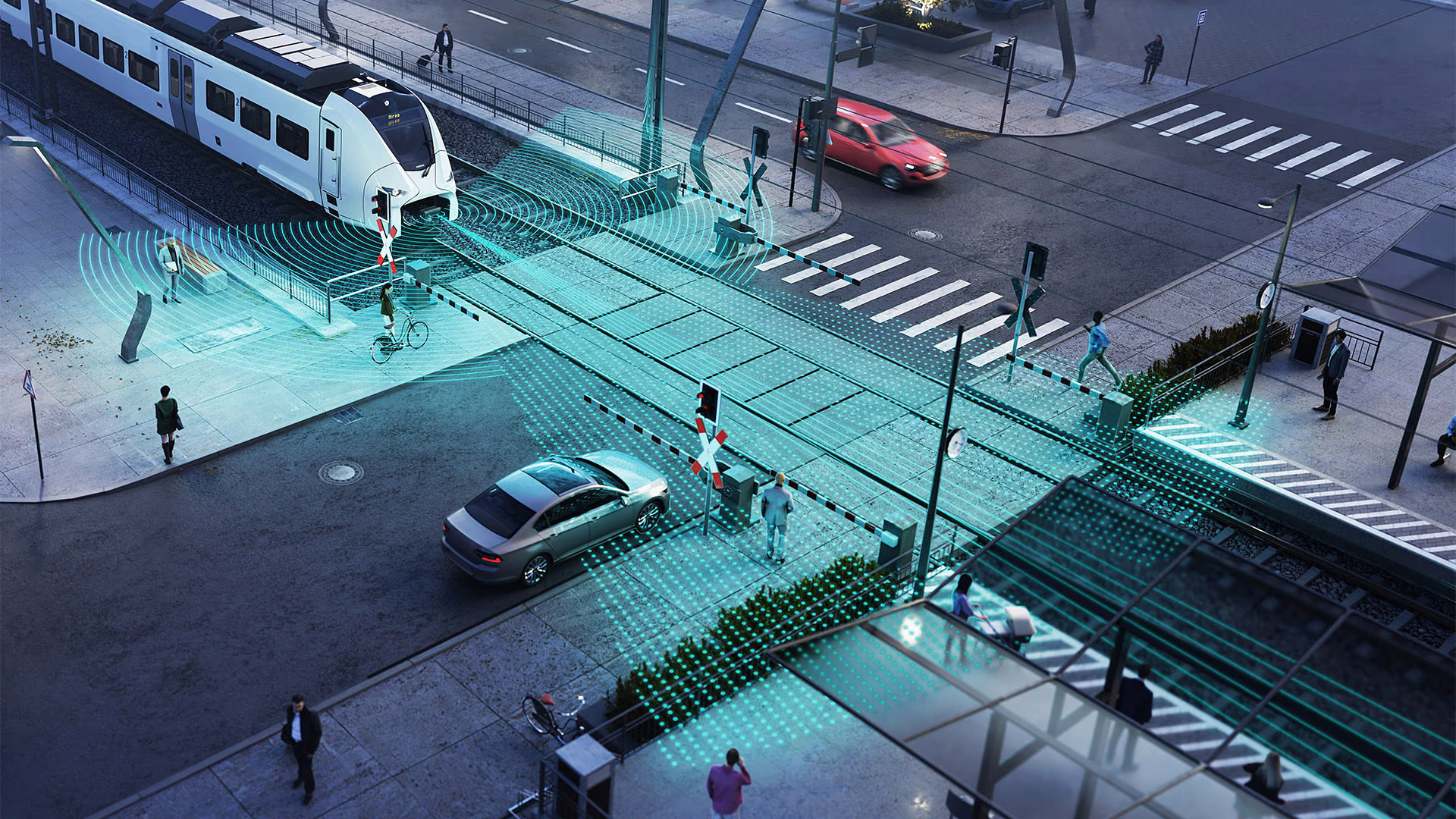
Growing urbanization is accelerating the demand for greater mobility and reinforcing an unstoppable trend: the shifting of transport from road to rail. At the same time, however, a shortage of trained drivers is already foreseeable in the immediate future. How can we solve this dilemma? Our response is to assist drivers by using groundbreaking innovations.
Into the future with innovative train operation
Assisted or driverless train operation for mainline and regional railways – the solution to many challenges
Given the growing demands placed on rail transport, the looming shortage of qualified personnel, and the coming of self-driving cars, shuttle buses, and trucks that compete with rail transport in terms of attractiveness, operators of mainline and regional trains and trams need new solutions. These solutions must optimally satisfy their passengers’ demands for punctuality, flexibility, capacity, and sustainability while also being competitive. And they must continue to improve the safety of passengers, personnel, and other transportation users and become even better at preventing accidents.
You’ll meet all these challenges with assisted and driverless train operation – which are a main focus of our work. For example, our Siemens Tram Assistant collision warning system is already on board as a driver assistance system in trams in The Hague, Ulm, Bremen, and Copenhagen, and is protecting passengers, other transportation users, and the vehicles themselves against collisions and the accompanying damage. Other Siemens assistance systems ensure energy-optimized driving. To further advance assisted and driverless train operation, we’re now developing the Siemens Mainline Assistant collision warning system, among others, for commuter, regional, and mainline transport. Our goal is to shift from assisted driving to driverless train operation.
On track to driverless train operation
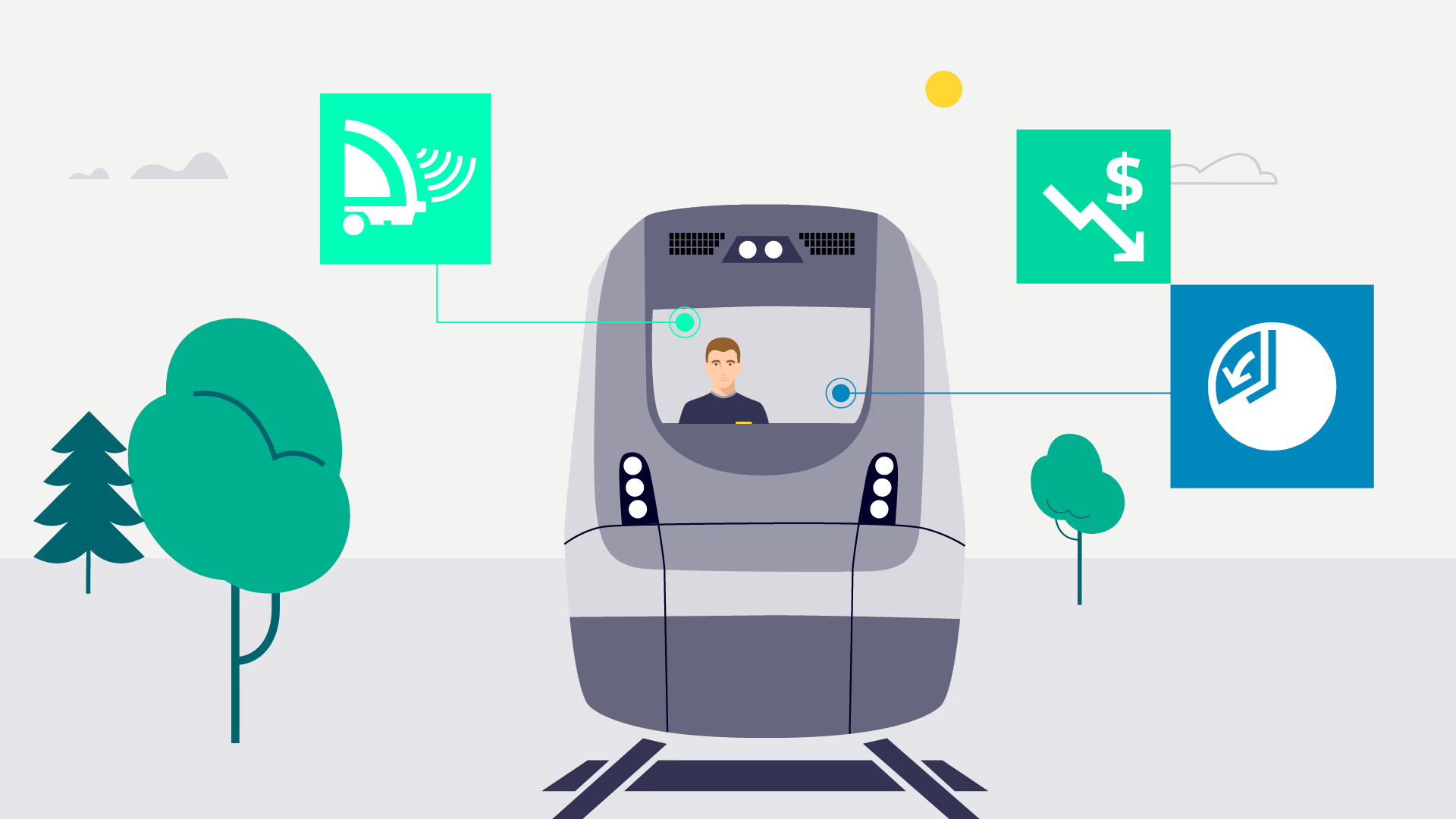
Assisted train operation
Whether railway operators, drivers, or passengers, everyone benefits from assisted operation. For example, drivers are helped to avoid collisions with obstacles on the line. This is especially ideal in monotonous or difficult traffic situations and is the best way to minimize the consequences and costs of accidents. The result is increased driver and passenger safety as well as the higher availability of trains and tracks.
Your benefits
Assisted train operation means:
- Lower repair costs and higher availability of your trains by avoiding or reducing damage from accidents
- Improved punctuality and flexibility, thanks to driverless train operation
- More comfort for passengers, thanks to smooth acceleration and braking operations
- Improved safety and headways
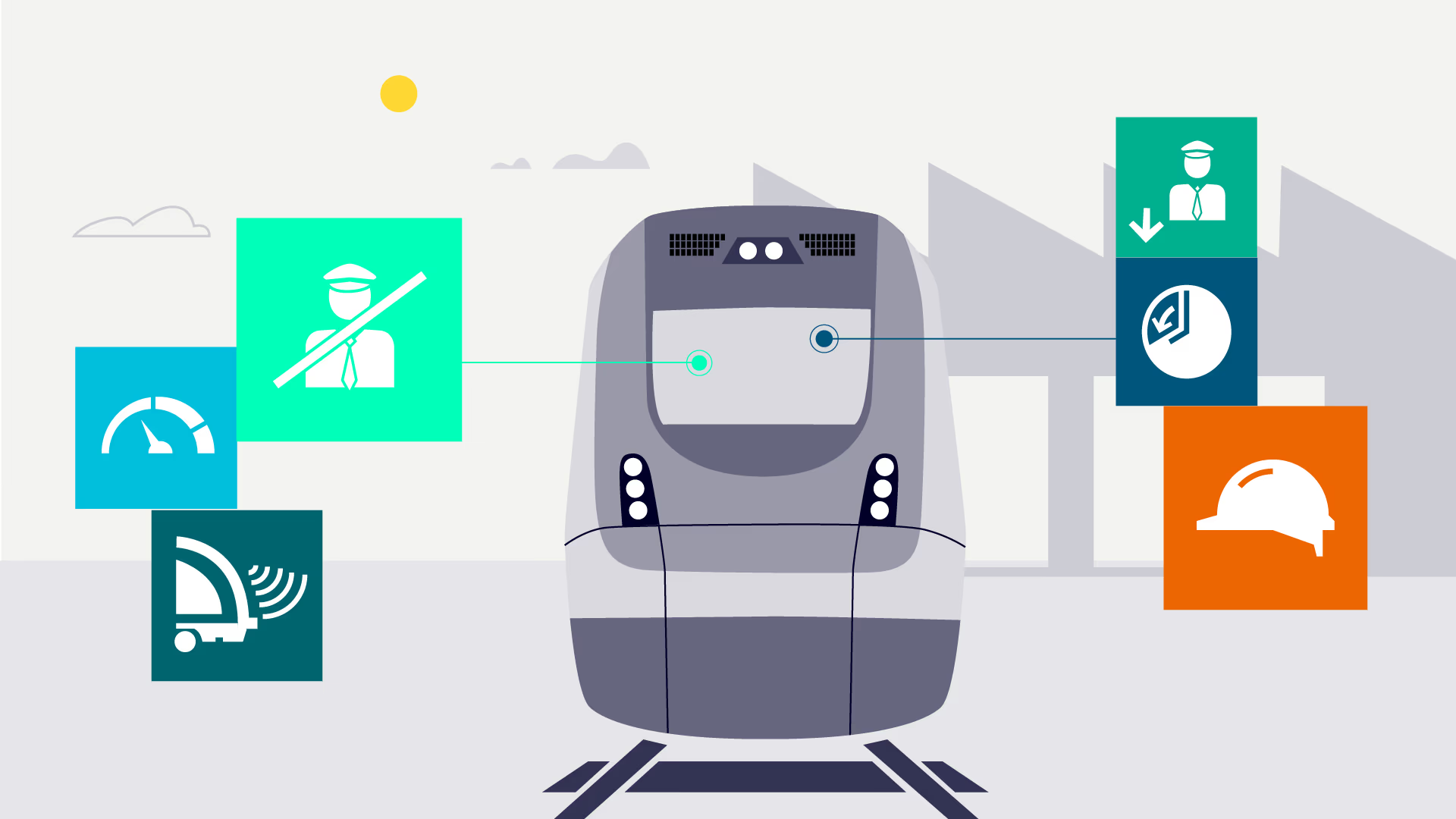
Driverless depot operation
Autonomous driving in the depot on semi-protected track areas at low speed
Your benefits
Driverless train operation in the depot means:
- Reduction of personnel and of the risk of accidents involving people in hazardous zones
- Optimized vehicle transfer with shorter wait times
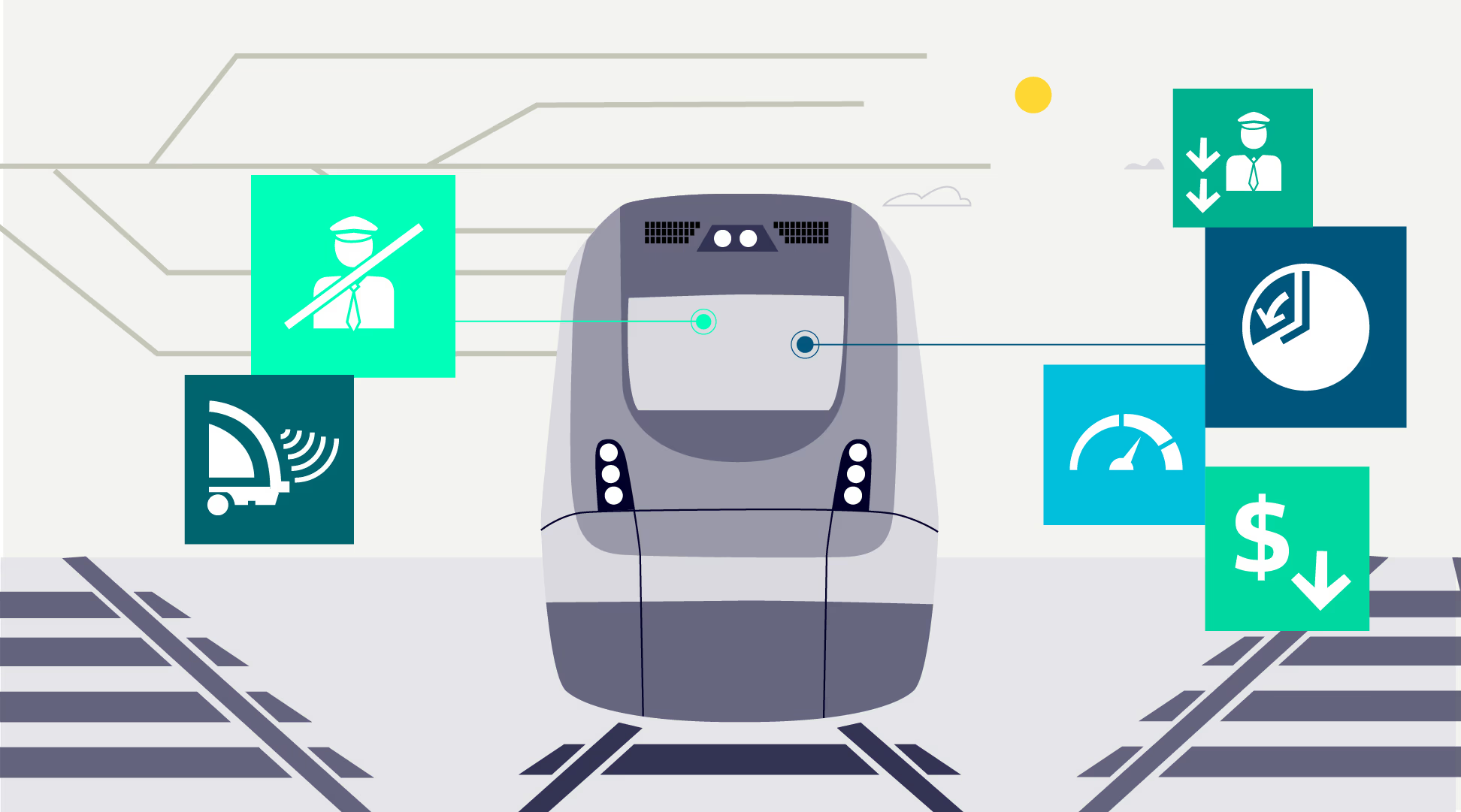
Driverless vehicle stabling and provision
Automated transfer of the train to the stabling yard at the end of operations and automated provision of vehicles at the start of operations in semi-public areas at a higher speed
Your benefits
Driverless vehicle stabling and provision means:
- Reduction of non-productive, time-consuming vehicle transfers
- Faster provision of additional rail vehicles at times of peak demand
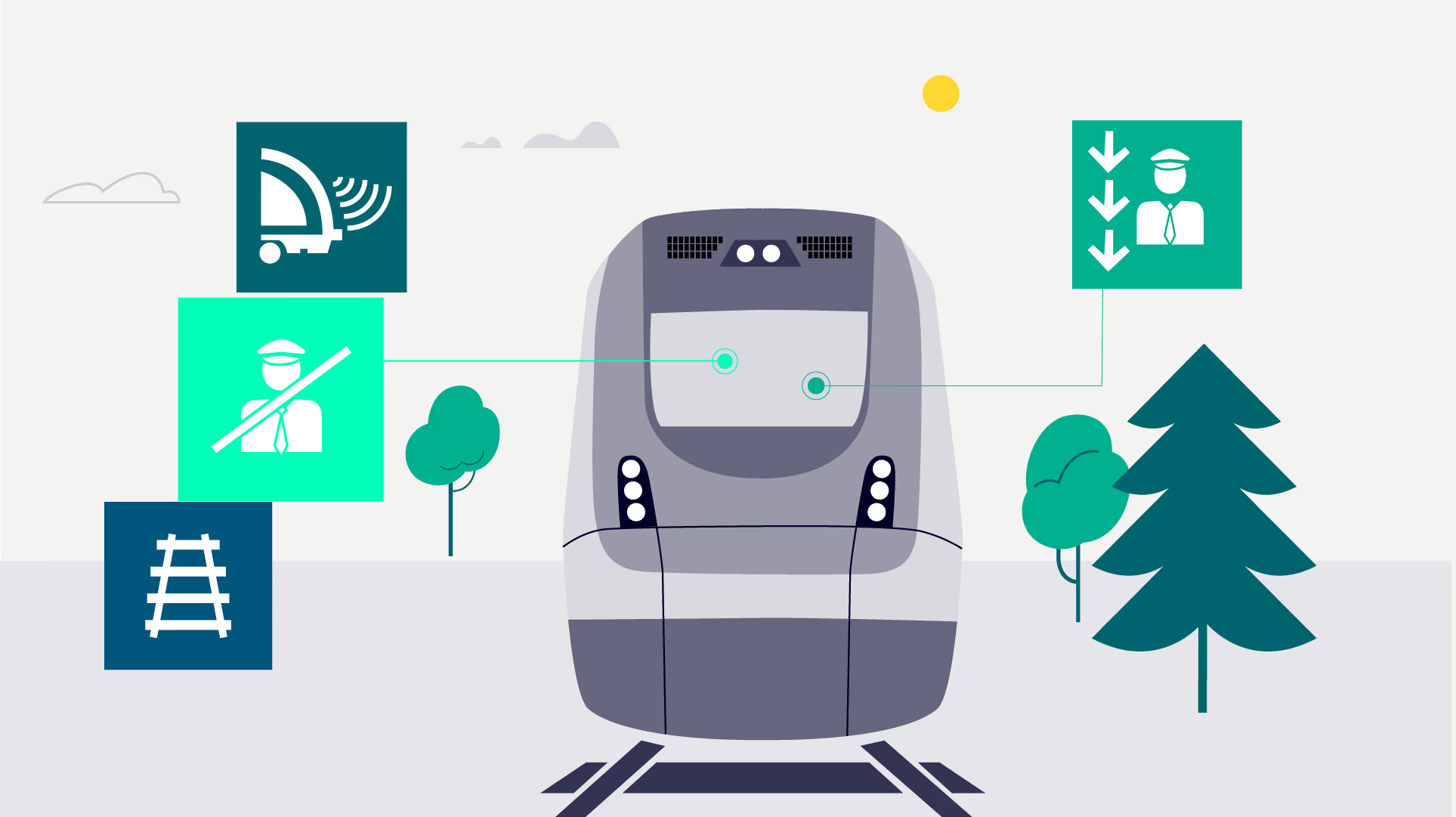
Driverless train operation on specific sections
The system takes over complete driving responsibility in suitable areas, e.g. fully segregated line sections
Your benefits
Driverless train operation on specific sections means:
- Fewer non-productive, time-consuming vehicle transfers
- Drivers can be deployed elsewhere in passenger rail operations
- Improved safety for all transportation users
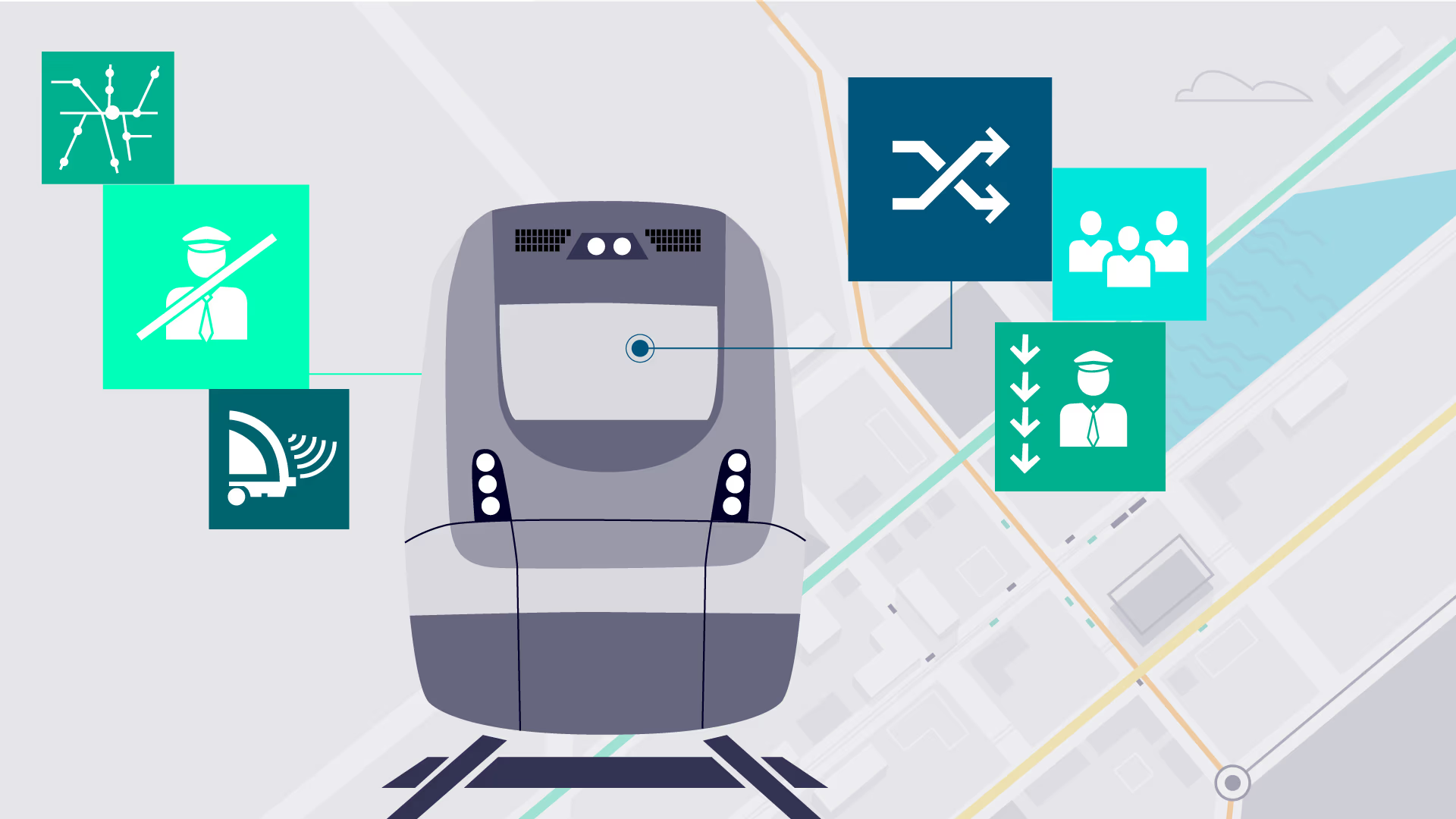
Fully automated operation on entire lines
Driverless and unattended train operation on entire lines
Your benefits
Fully automated operation on an entire line means:
- No more need for a driver or conductor
- More space for passengers, thanks to the elimination of the driver’s cab
- New operating models possible, e.g. shorter headways and demand-driven train operation instead of fixed timetables
The new era of assisted and driverless train operation
Railway-specific solutions from the experts
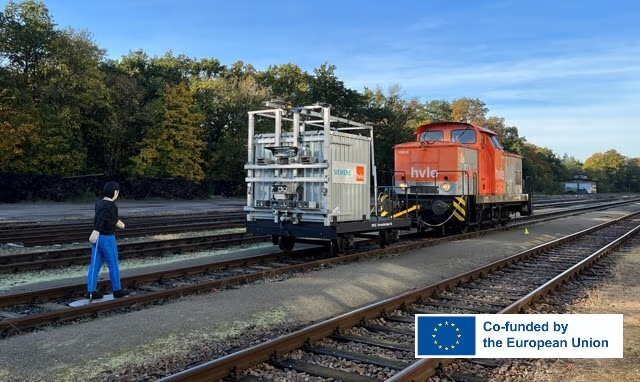
Our „Autonome Siemens Tram“ research prototype premiered at Innotrans 2018. Accompanied by a safety driver, the tram covered a 13 km section of the Potsdam tram network fully autonomously and responded to obstacles on the track with preventive actions. We are also testing our new technologies for mainline on the advanced TrainLab. We use this experience to implement a Rail Perception System for obstacle detection in the railway industry. In the future, this system will be a key component in fully automated train operation.
Based on the Rail Perception System
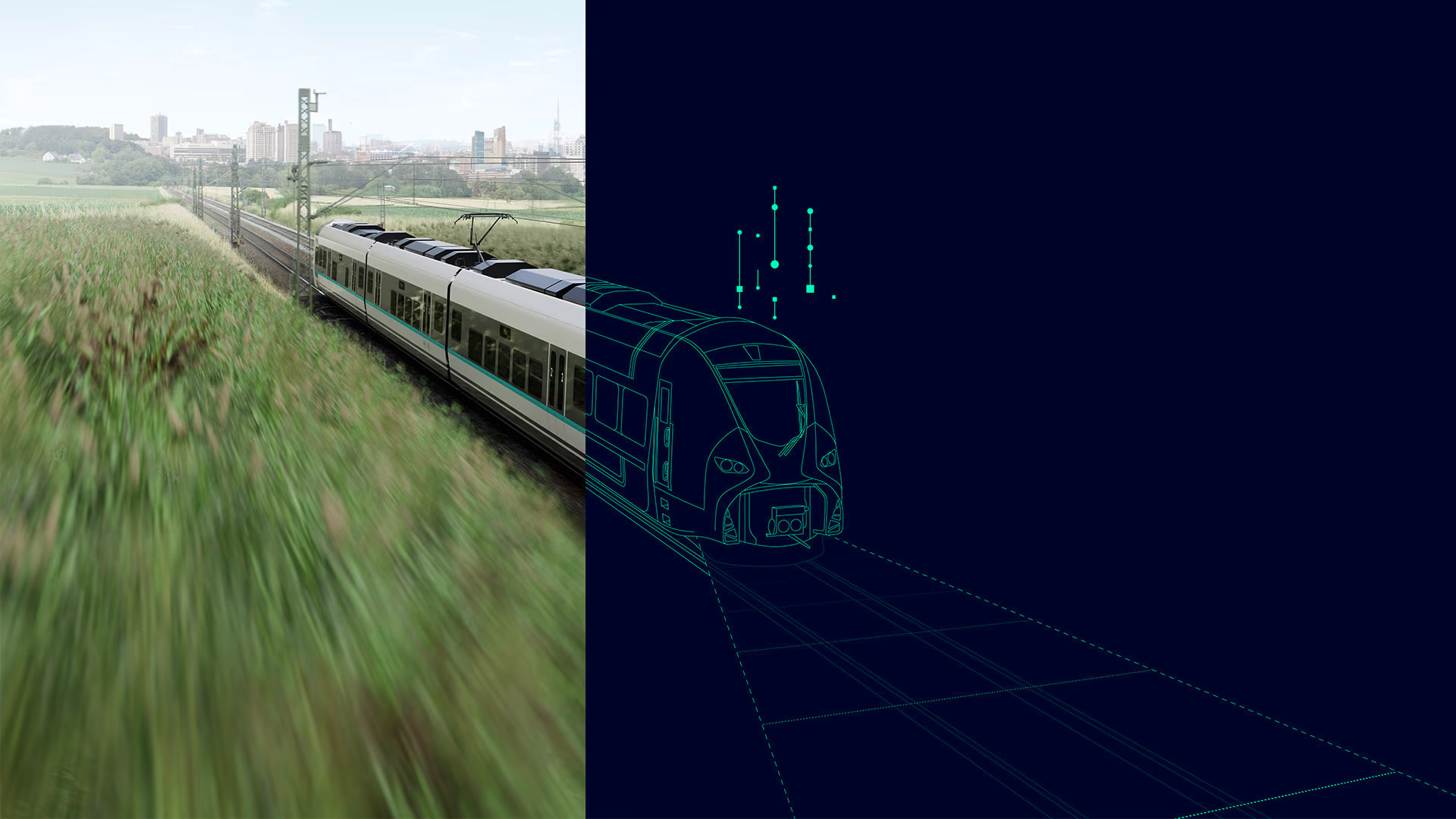
Our Rail Perception System combines on-board sensors and technologies for data analytics in order to automatically perceive the surroundings and trigger appropriate actions. Automatic obstacle detection based on the Rail Perception System can assist your drivers in avoiding collisions on the track. Combined with suitably adapted train control and rail infrastructure, it enables driverless train operation (GoA Levels 3 and 4).
How our Rail Perception System works
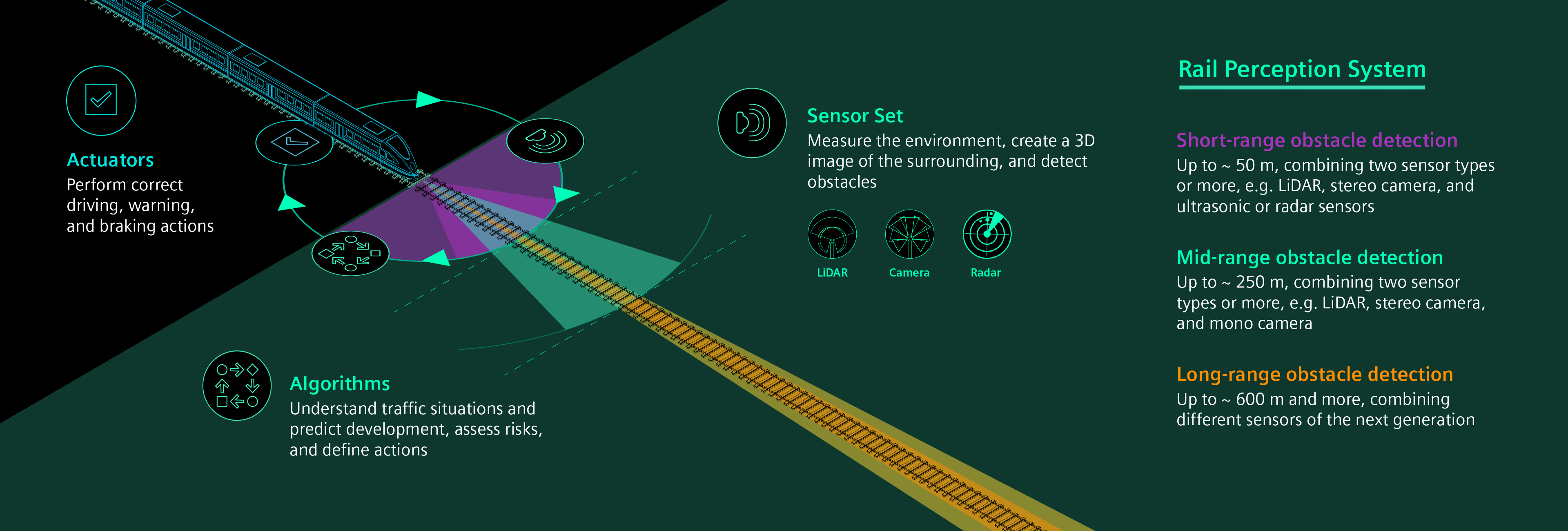
A closer look at the sensor types
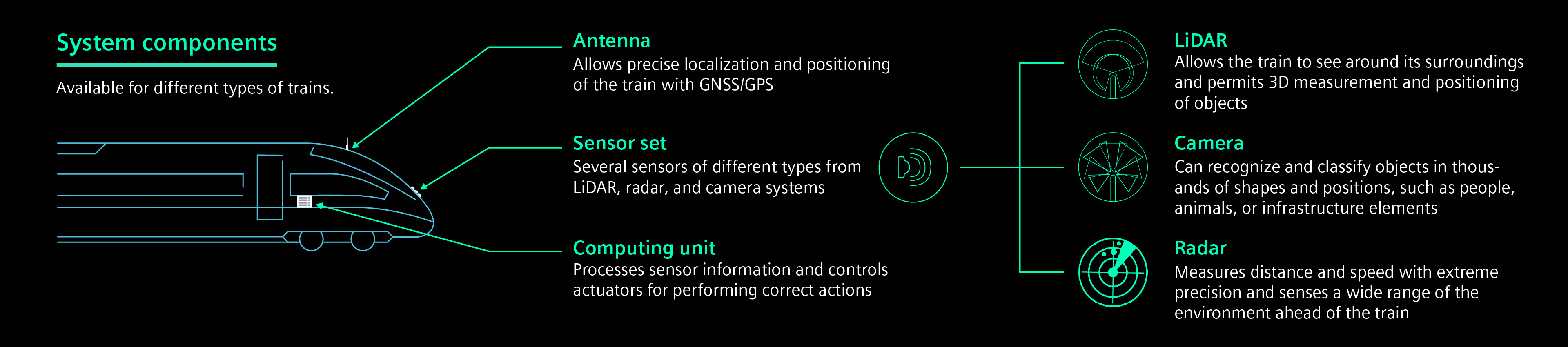
Lidar
Allows the train to see its surroundings and permits the 3D measurement and positioning of objects.
Radar
Measures distance and speed with extreme accuracy and senses a long range ahead of the train.
Cameras
Detect and classify objects in all their thousands of different shapes and positions, including people, animals, and infrastructure elements.
Partnerships for the driverless train operation of the future


Current use cases of the Obstacle Detection System and Automation
Train IT
Take the lead over the competition with powerful, future-oriented IT systems for your trains. With this fully integrated solution, you control your vehicles from a central point and have full access to all train data at a single location.

What is the concept behind driverless trains?
Driverless trains utilize advanced technology to operate trains without human intervention to revolutionize rail transportation. The way to get there is through automatic obstacle detection in combination with Artificial Inbtelligence and precise control systems (ATO over ETCS or CBTC). Driverless trains can improve network capacity, punctuality and energy efficiency – starting with fully automatic depot automation and stabling.
What are autonomous trains?
Autonomous trains are rail vehicles equipped with advanced technology, including sensors and artificial intelligence, enabling them to operate without human intervention. These trains can perform functions like acceleration, braking, and obstacle detection autonomously, enhancing safety and efficiency in rail transportation.