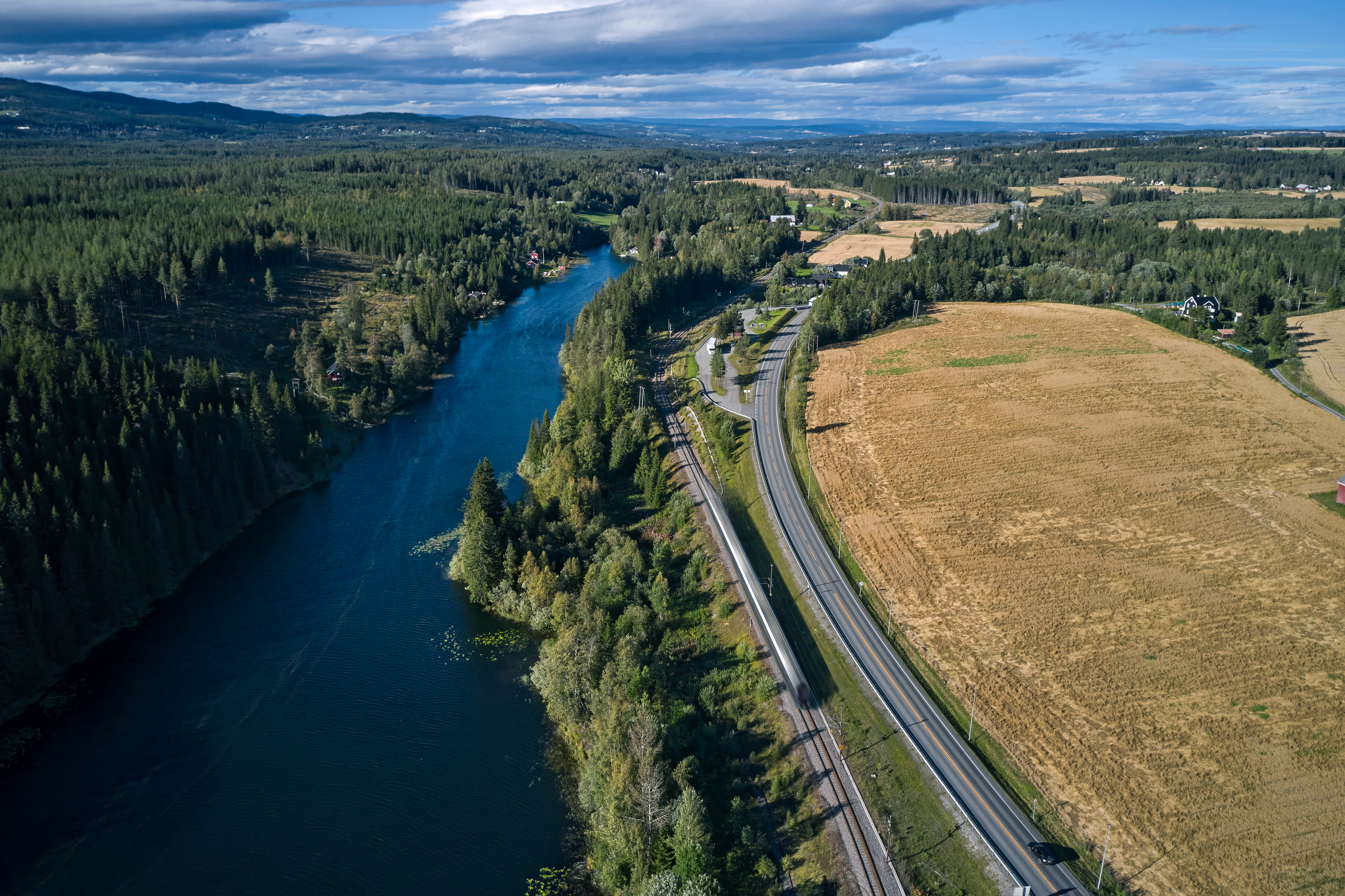
Norway’s rail network goes digital
European Rail Traffic Management System (ERTMS) introduced for the entire railway network
Norway is a pioneer in digitalized rail transport
With this ambitious undertaking, Norway will play a leading role in the use of digital technologies in the rail sector by deploying the most modern signaling system in Europe. Over a period of 17 years, Bane NOR SF – the state-owned company responsible for the Norwegian national railway infrastructure – will invest more than €2 billion in a digitalized and automated signaling system as part of its ERTMS initiative.
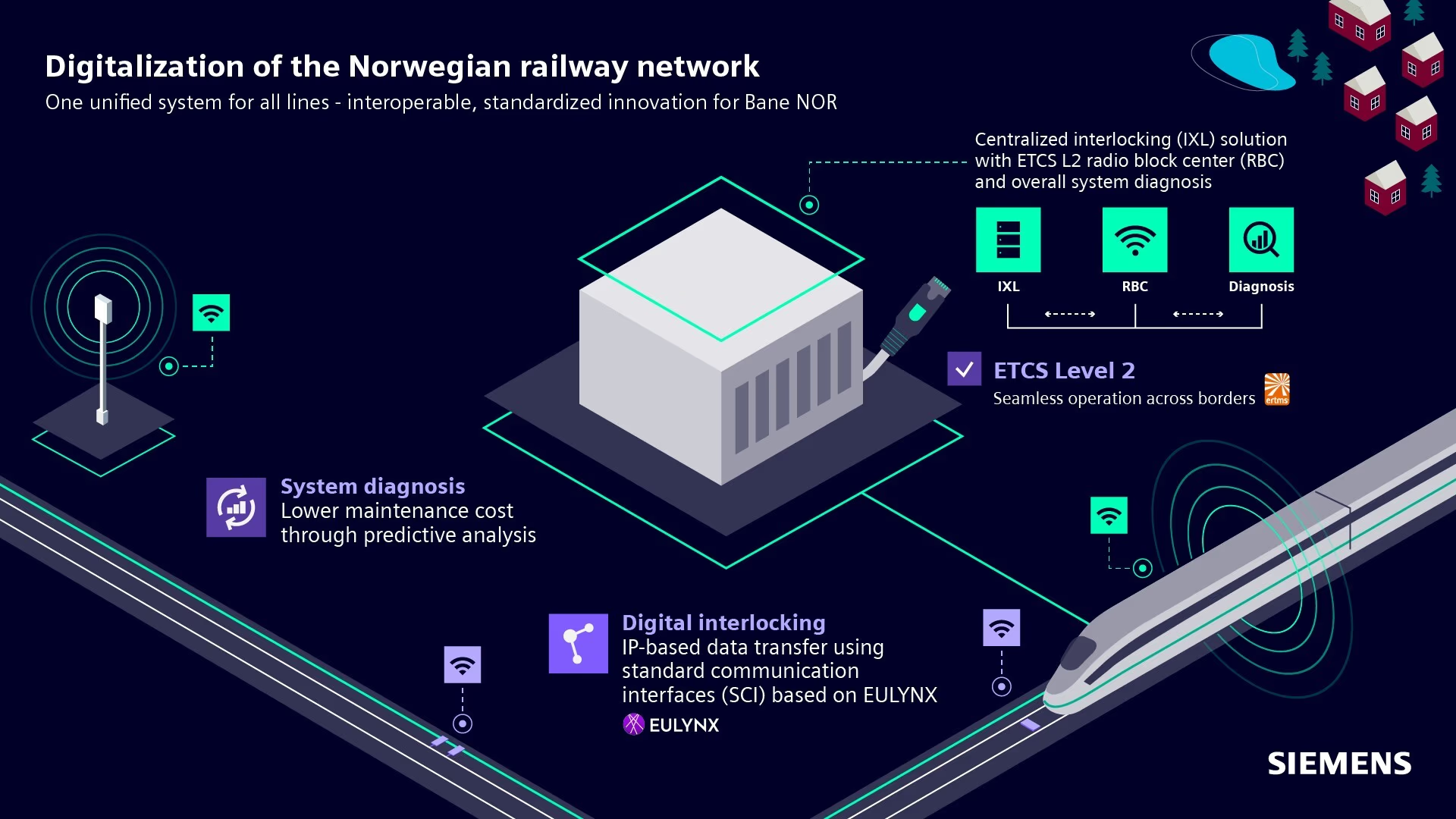
In 2018, Bane NOR SF commissioned Siemens Mobility to install the interlocking systems, outdoor facilities, and ETCS L2 (European Train Control System Level 2) throughout the entire Norwegian railway network. The contract is worth around €800 million.
A new era for the railway sector
Some railway lines in Norway, including a large number of single-track sections, are still operated entirely manually. This megaproject is the beginning of a new era for Norway’s railway sector. Bane NOR has created the railway of the future with one of Norway’s largest digitalization projects. The first line Gjøvikbanen North opened in 2024, with a service contract that took effect with its opening. The launch of the ERTMS-equipped Gjøvik Line North marks a significant step towards establishing the most advanced holistic railway network in Europe.

Siemens offers a leading-edge solution for the Norwegian ERTMS program. Thanks to its superior technological expertise and a proven ability to deliver, Siemens is the ideal partner for us and for this challenging project. We’re thrilled to be working with Siemens to develop a digital rail network.
How Digitalization is transforming rail infrastructure
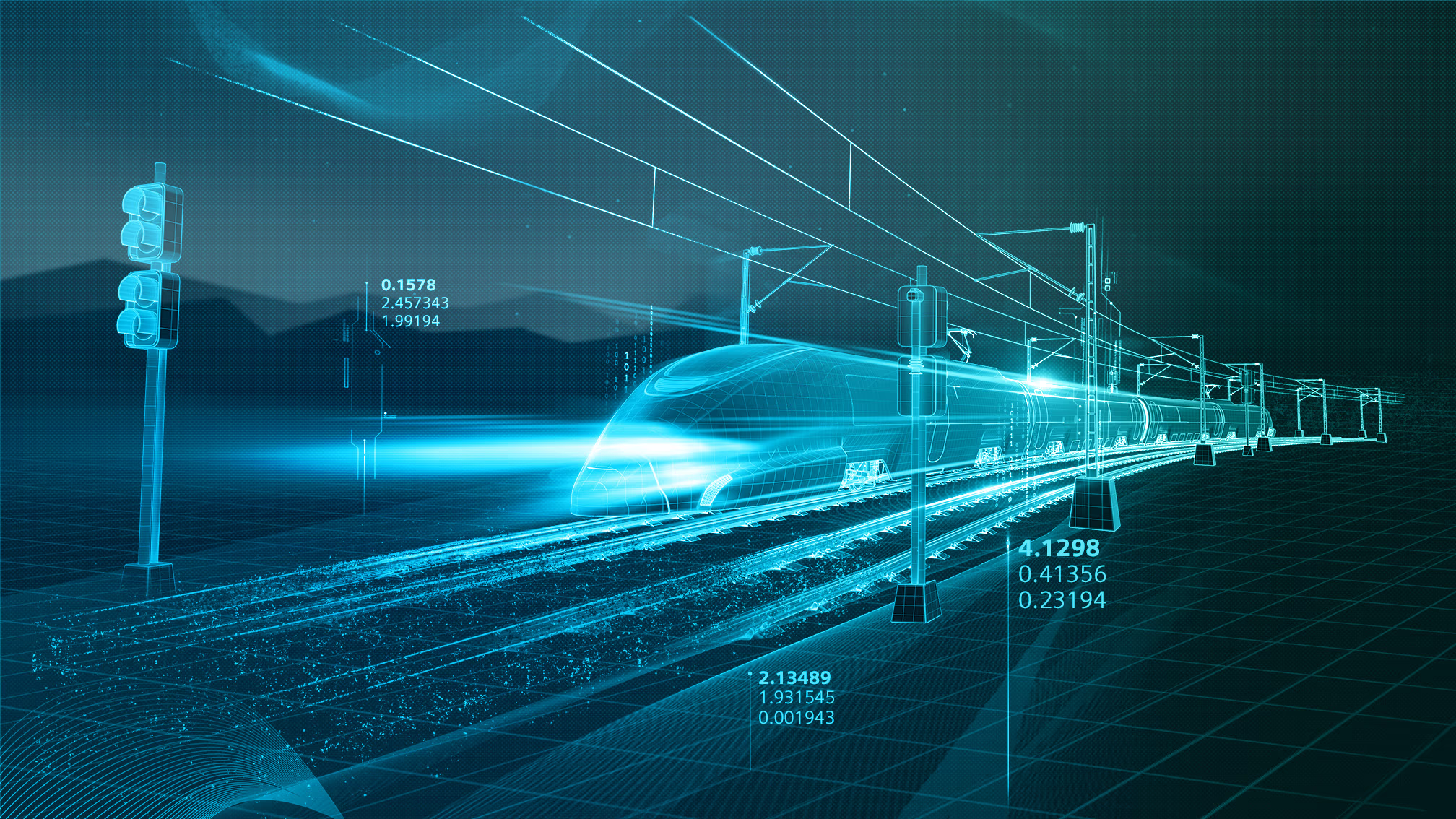
Digitalization is the key to increased availability, automation, connectivity, and sustainability in rail infrastructure. Learn more about our vision of the future for a networked and intelligent rail infrastructure.
Latest infrastructure technology
The contract covers the entire signaling system with interlockings, ETCS Level 2, point machines, train detection systems, railroad crossings, and the associated infrastructure along the lines. Installation and commissioning will be performed during ongoing operations. Weather conditions (including temperatures down to -40° Celsius) make installation and operation especially challenging.
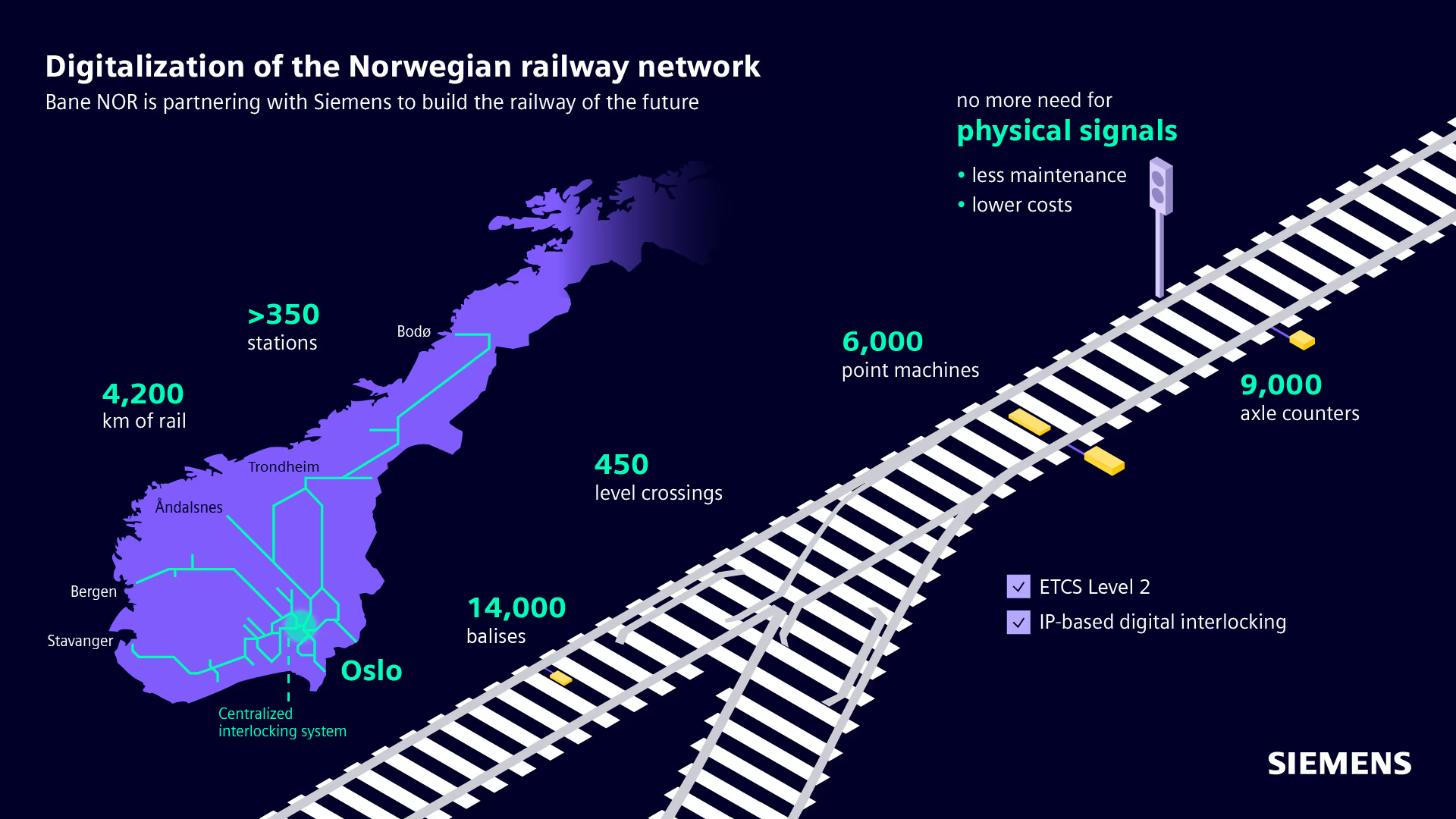
The scope of delivery includes more than 6,000 point machines, over 9,000 axle counters, and more than 14,000 Eurobalises. About 450 railroad crossings will be upgraded.
The new digital signaling system will improve the safety, punctuality, and capacity of the rail network and will be gradually commissioned over the coming years, when there will no longer be a need for physical signals in the digitalized rail infrastructure.
This project is a major milestone in signaling history – a step comparable only to the change from relay to electronic interlockings in the 1980s. Working with Bane NOR, Siemens Mobility will transform the entire Norwegian rail network into a fully digitalized IP-based system – a genuine Internet of Things.
From Norway to Italy with one locomotive
Thanks to the ETCS Level 2 system, Bane NOR will be able to eliminate line-side signals in the future. Another benefit is that Norway will be linked to the Trans European Rail Network. ETCS-controlled trains will then be able to run from Italy to Norway without having to change locomotives en route due to differences in national train control systems. The system is a key component in the integration of rail transportation in Europe and is intended to replace the more than 20 different train control systems currently in use.
The ETCS Level 2 system significantly reduces infrastructure costs while at the same time increasing line capacity, thanks to a more favorable traffic density and reduced travel time. All relevant information is constantly displayed for drivers right in the cab. For users of the Norwegian railway network in both passenger and freight transportation, this means an increase in rail network capacity as well as improved availability and punctuality. That’s because more vehicles can use the existing network at shorter intervals while delays, disruptions, and outages are reduced to a minimum.
