5G. For the mobility of tomorrow
New mobile communication options such as 5G will revolutionize the mobility industry and change the way we travel. Designing infrastructure to be more flexible and efficient requires the right communication framework and connectivity. 5G opens up new prospects for passengers and operators alike and is a big step towards the mobility of tomorrow.
5G is changing the mobility industry
The role of 5G in sustainable mobility solutions
Driven by megatrends such as urbanization or digitalization, the demand for mobility will continue to increase rapidly. At the same time, there is an intensifying need to mitigate climate change, as well as the depletion of natural resources, to shape a sustainable and livable future.
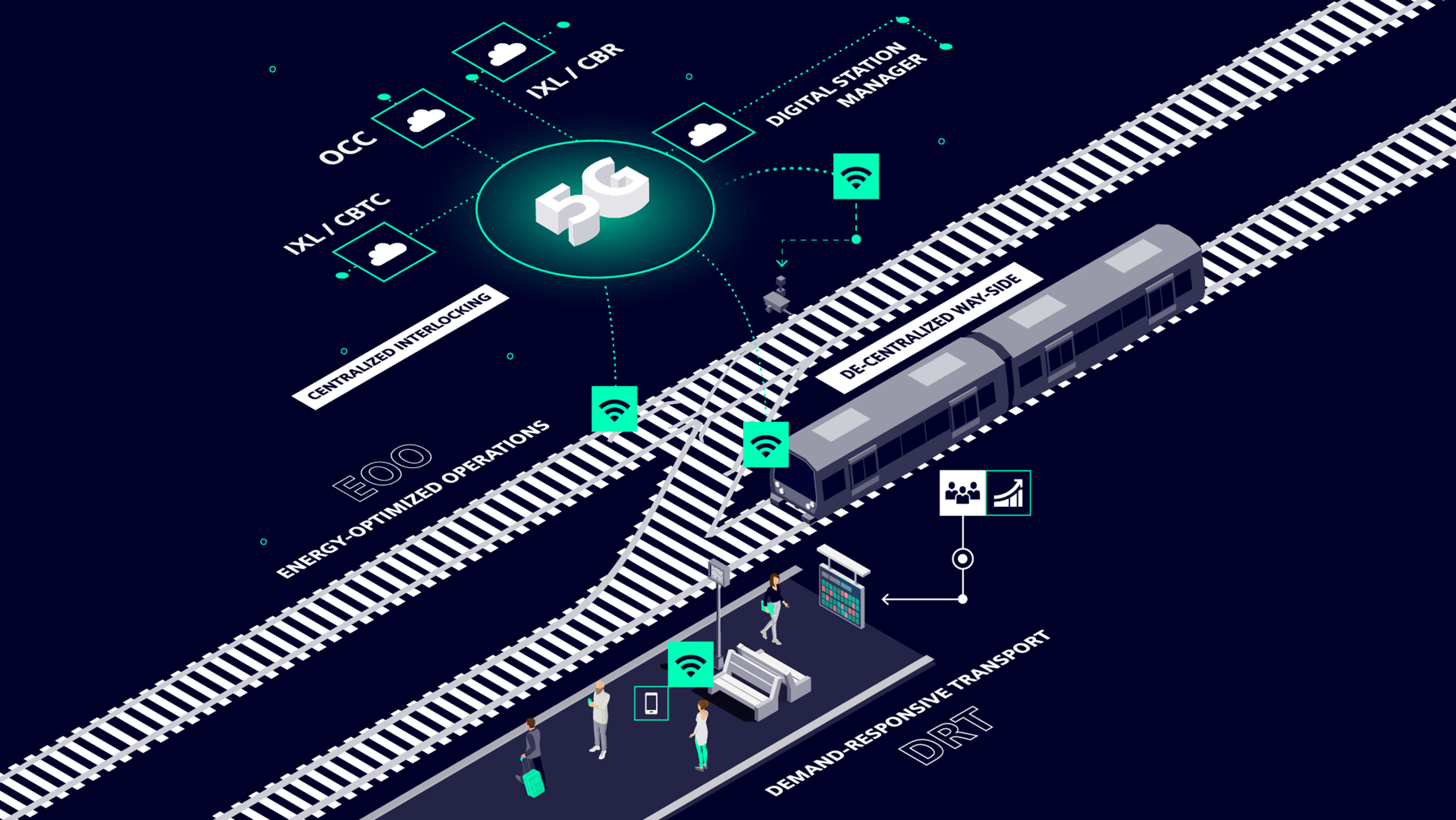
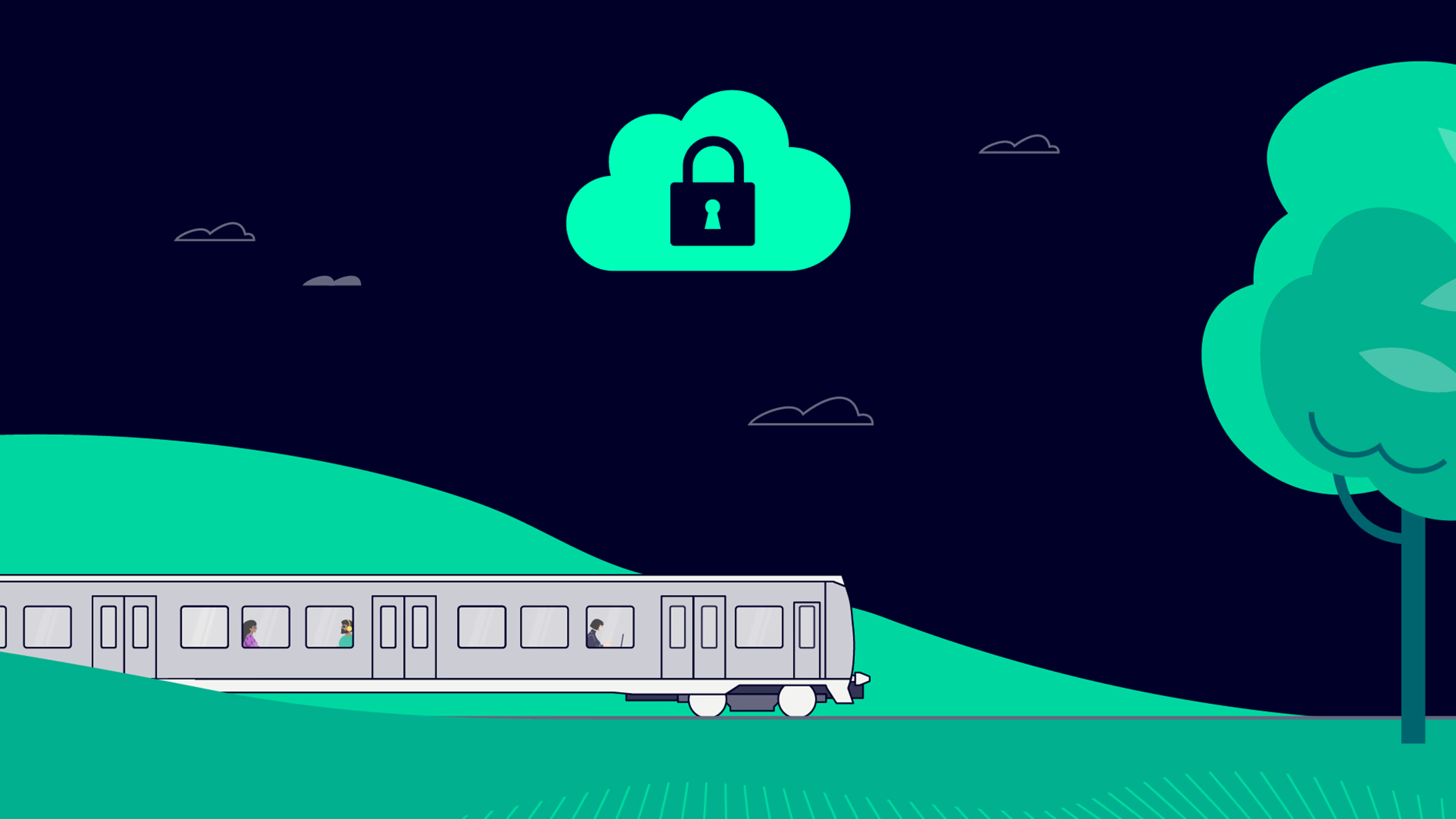
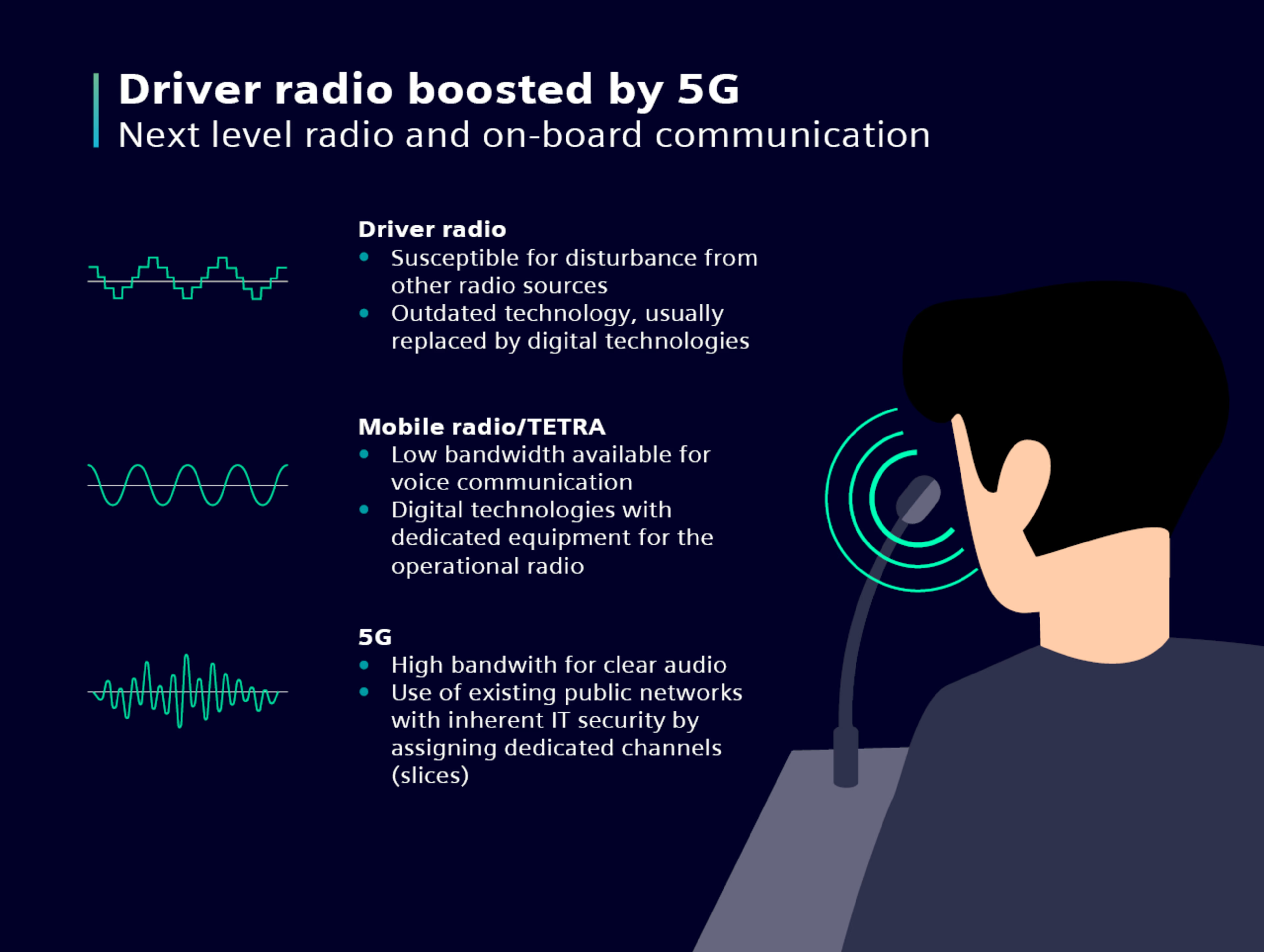
Innovative technologies, like 5G (and 6G+), will make a huge difference to sustainability. By boosting operational efficiency and upgrading existing technology, 5G will enable lower investment and life cycle costs. By using existing 4G/5G radio infrastructure, such as public mobile networks, public transport operators can dispense with infrastructure components, such as network cables, fiber and copper along the routes, which have already been installed by mobile operators or similar or are required for long-term maintenance. This applies to radio and other trackside installations (CCTV, Passenger Information System, Passenger Entertainment etc.) and provides the opportunity to raise security to a correspondingly high level in this area as well.
The result is that signal transmission is relocated to existing infrastructure. This approach not only saves costs, but also enables easy relocation of applications in the rail sector to the cloud, including through close cooperation with mobile and cloud operators.
What 5G will enable

Less hardware in the field
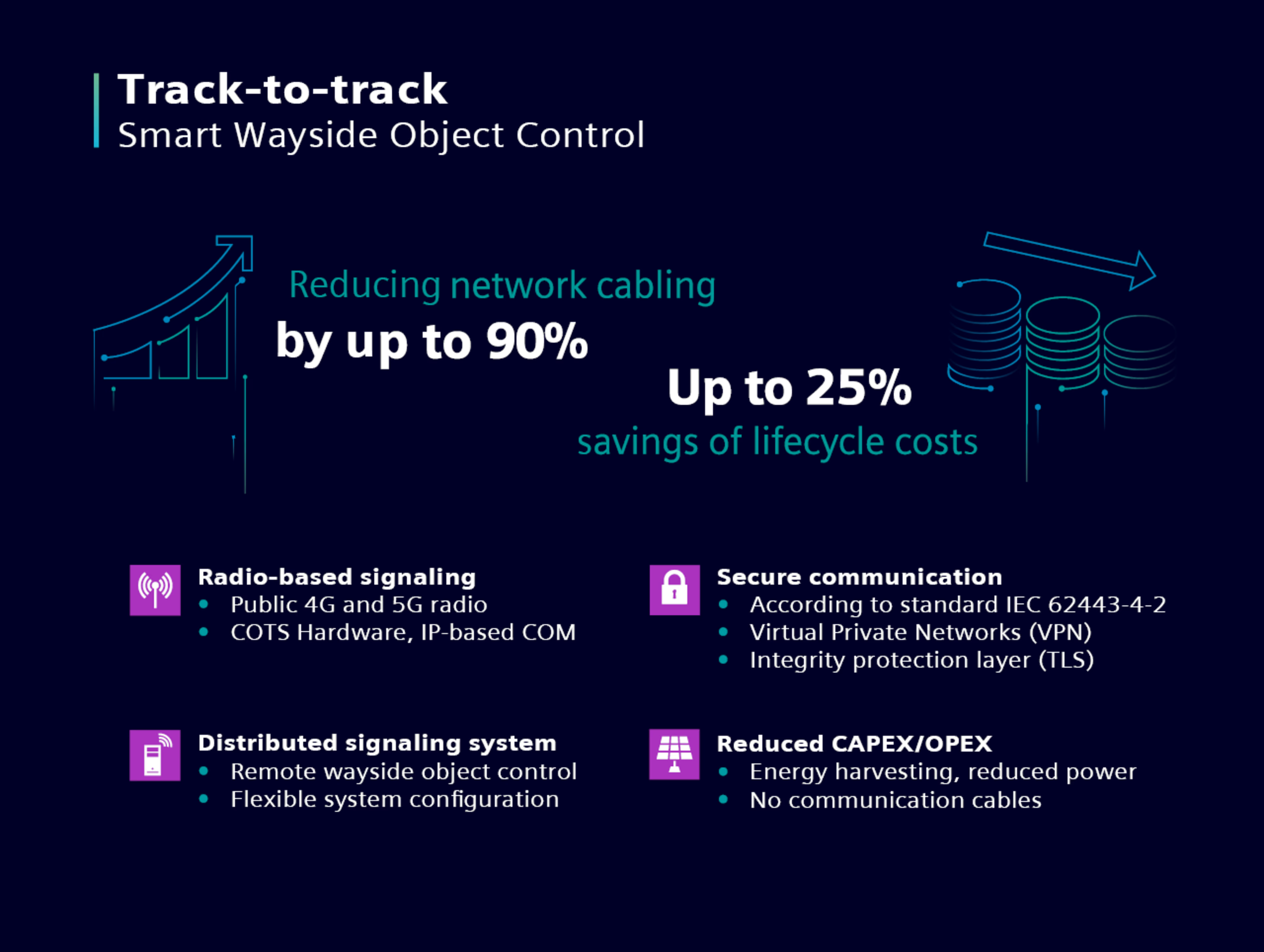
Trackside elements can be reduced thanks to communication and connectivity via 5G. The reduction of network cables by up to 90% means fewer investment costs as well es less hardware in the field. From an ecological point of view the material needed for 5G equipment is a major advantage.

Life Cycle
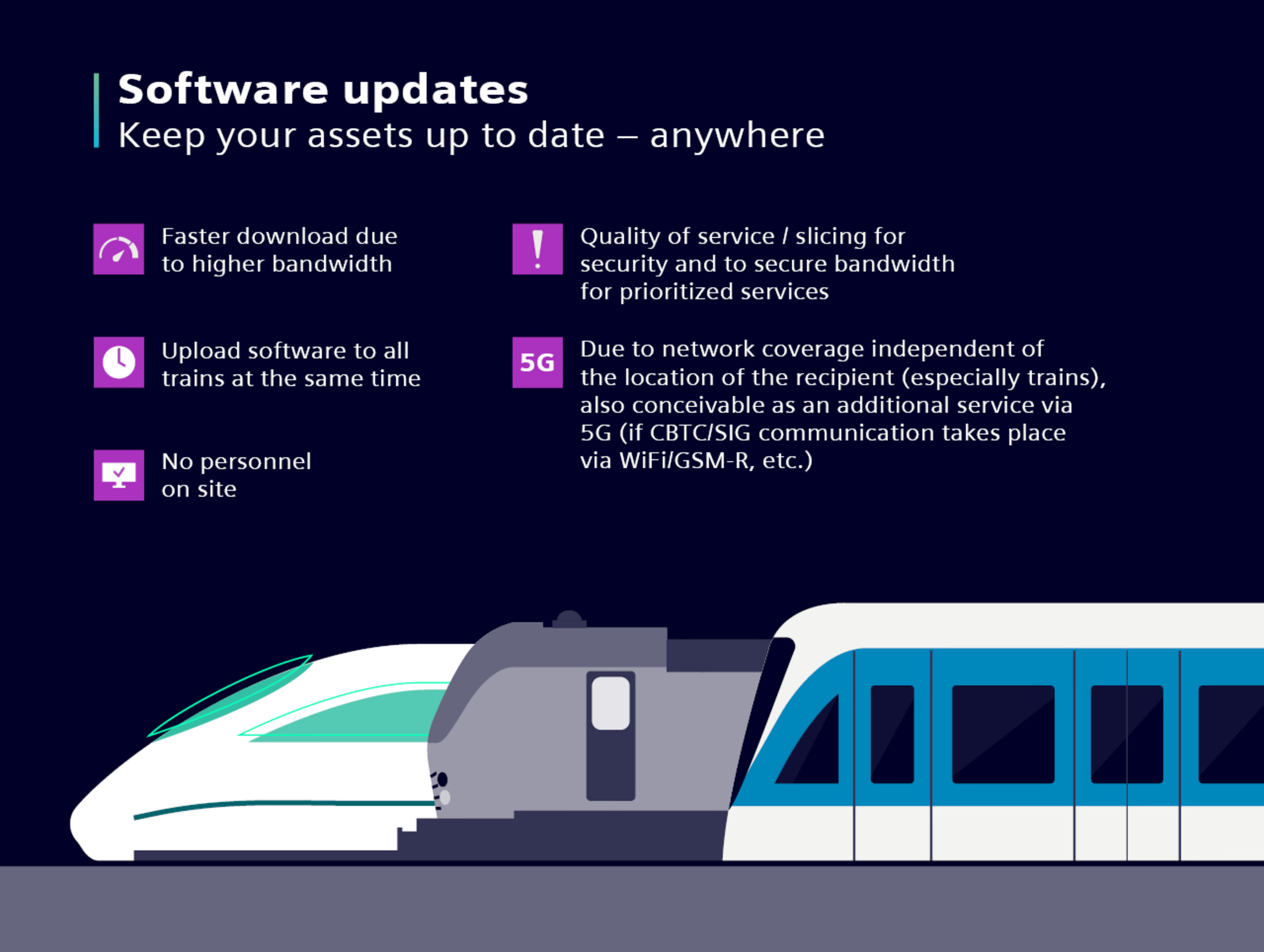
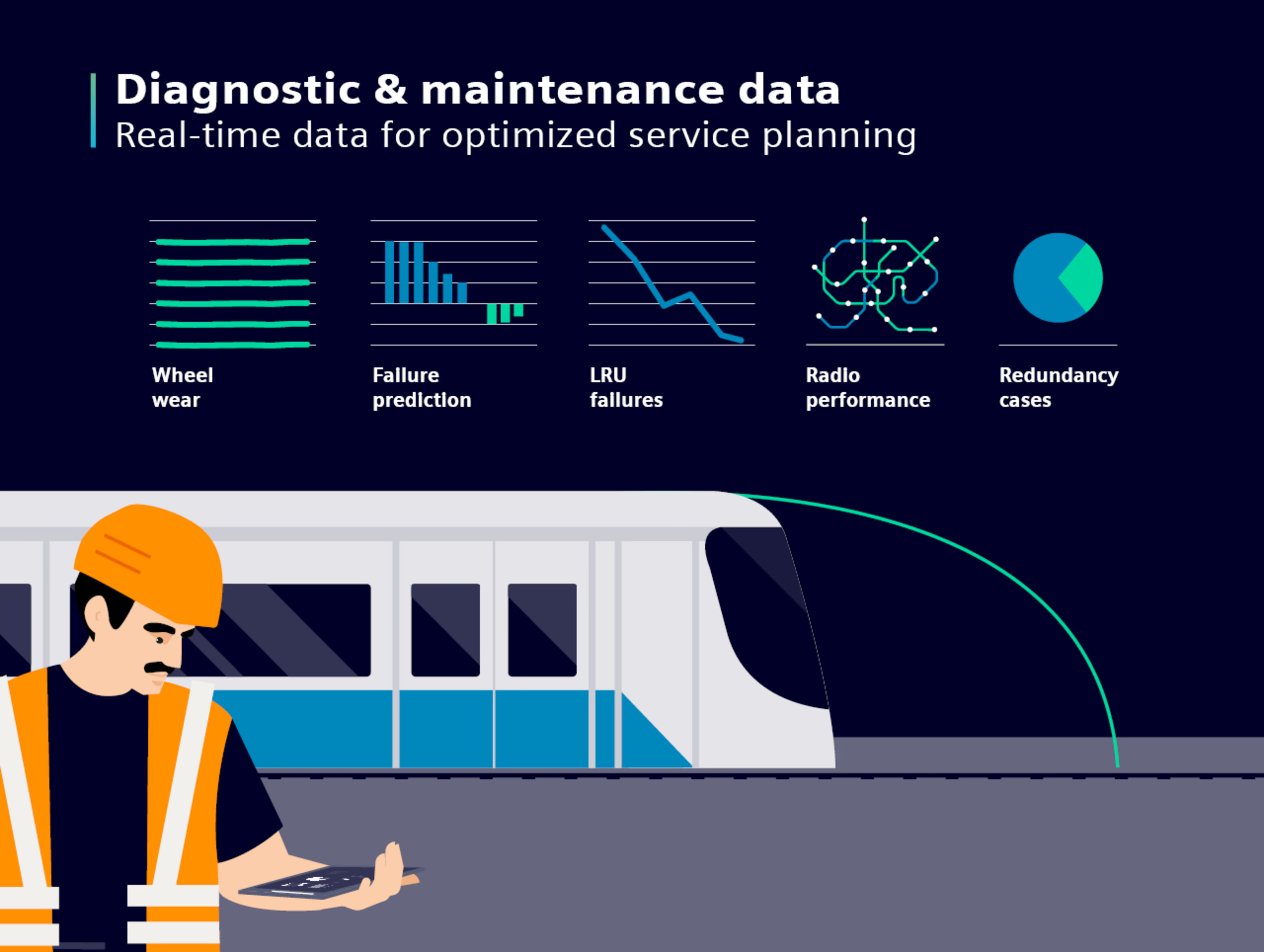
Intelligent data collection, analysis and evaluation in the cloud ensures predictive maintenance, but continuous remote software updates and services also make it possible to extend the service life of products and equipment. Lifecycle costs can be reduced by up to 25%.

Flexibility
With video and real-time data, operators can optimize the capacity of trains and stations. It also helps when developing automated train driving from remote train operations (RTO) to automated train operations (ATO), enabling greater flexibility.
What are the benefits of 5G in the mobility industry?


How are we using 5G in the mobility sector?
More about 5G
Collecting and using real-time data in Mainline
The dual mode Vectron is equipped with diesel and electric drives. In the future, test and transfer trips are to be carried out with onboard 5G equipment. Different use cases are being tested, such as simple data transmission along the route, GPS data transmission or 5G readiness for future Automatic Train Operation (ATO). With this reference design, which can be used for mainline and mass transit purposes, we will get the right answer and opportunities regarding how we can use 5G and also future cellular generation in the rail business. Our test set-up operates under real-life conditions on public DB lines, as also the measurement of cellular coverage alongside the tracks we all use on a daily base.
5G for safe signaling in mass transit
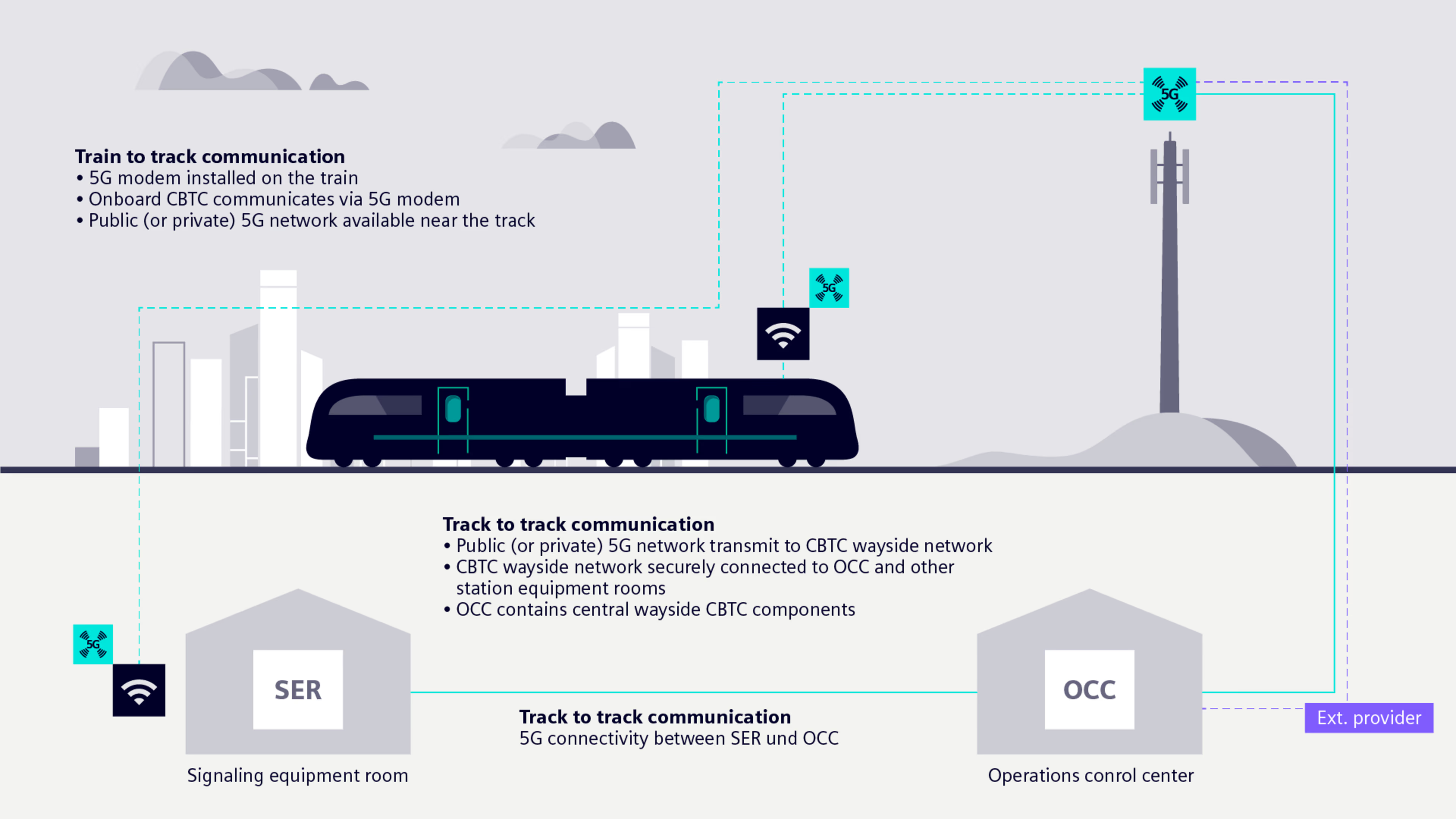
In 2019, a so-called proof-of-concept (PoC) was set up on the test track in Quanzhou, China, to demonstrate how 5G can be used in mass transit for secure signaling and the benefits it brings. Secure data transmission using 5G was set up for train-to-track and track-to-track communication. In this way, trains can send their data via an unprotected public network to the control center, which in turn can communicate with the remote interlocking rooms - completely without trackside cables, quickly, securely and reliably.
Efficiency of electrified railroads paired with flexibility of trucks
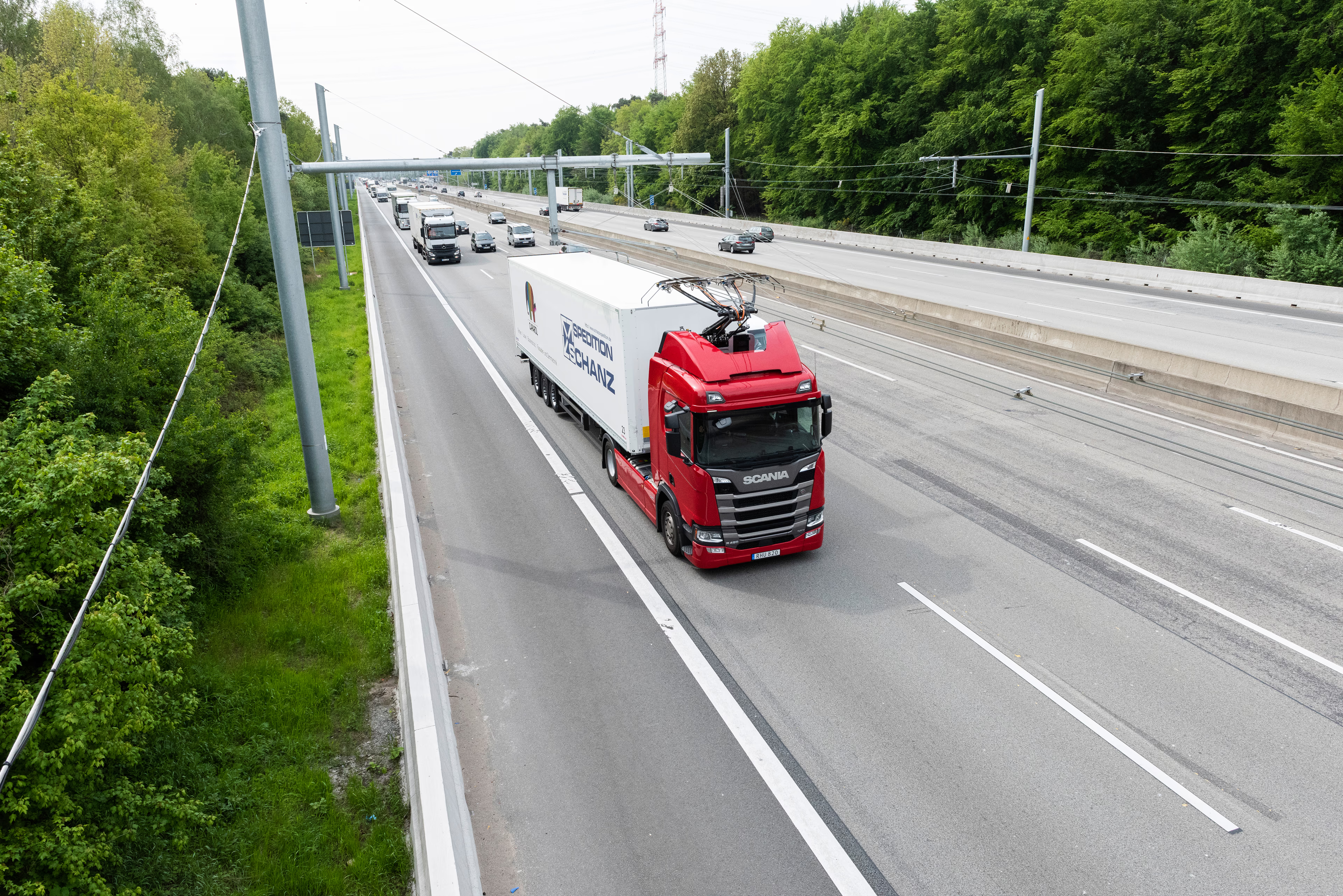
Imagine a huge number of moving vehicles, infrastructure and operation devices being connected as reliably and powerfully as by cable. 5G promises a lot for transportation via roads. Our eHighway test bed in Munich Perlach serves as a very encouraging example of an efficiently running system based on a private 5G network. With the core innovation of the active pantograph and usage of large amounts of sensor data, the eHighway system enables trucks to use renewable energy and therefore help reduce CO2 emissions.
News
5G as enabler for digitalisation and new business models in mobility
Everyone is aware of the current trends towards certain technological advancements, 5G being one of them. However, it is not the trend that is important for the mobility sector with regard to the next generation of radio technology, but rather the promise to move away from proprietary Wi-Fi or the more than 25-year-old GSM-R communication systems. It is all about the future configuration of how we will communicate and which channels we will use. It is about enabling new business models and cost savings and building a foundation that the digitalisation of the railway can expand on through innovation. (If anybody re-uses this licensed file, please link the publishing house by tagging "eurailpress.de/sd" as the source. Thanks!)