Airlink Cab Radios and On-board Communication
In excess of 250,000 hours mean time between failures. A specialist for GSM-R, MCX and FRMCS train radio communication.

In excess of 250,000 hours mean time between failures. A specialist for GSM-R, MCX and FRMCS train radio communication.
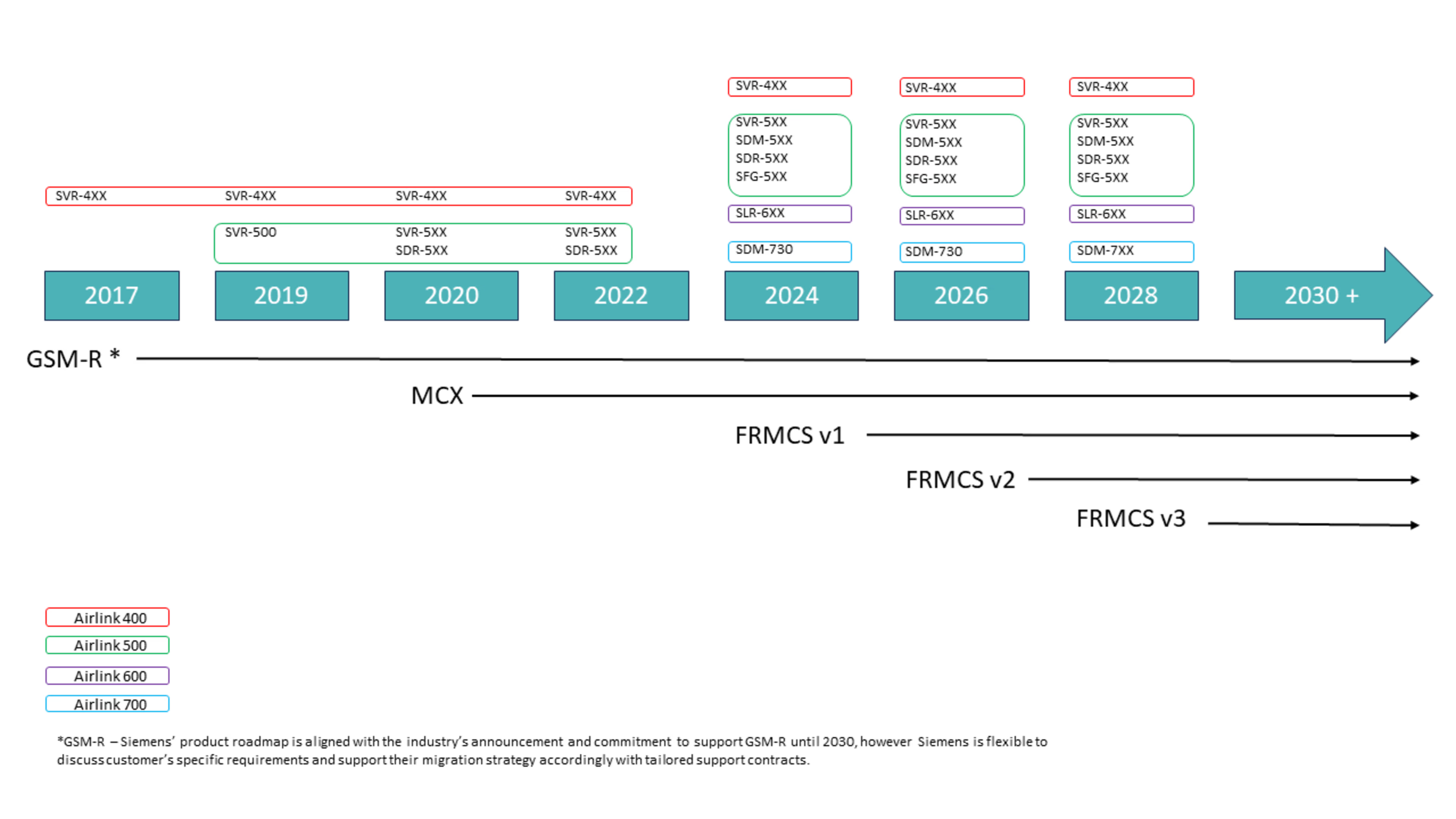
The reliability and interoperability of GSM-R with the benefits of IP communication (MCX, FRMCS)
Highly configurable communication devices for the railway
The Siemens Mobility range of GSM-R cab radios, display panels, applications and accessories delivers safe and secure voice and data communications. The cost-effective products are designed for ease of installation, replacement, maintenance and operation. Siemens Mobility offers retro-fittable radios and standard rack-mounted units.
How does it fit in within the railway? What are the benefits it brings?
Siemens Mobility develops on-board communications and digitalisation of the train (especially old/existing trains). Our cab radios offer the ability to run smart applications that enable cloud-based management. Please see 'RailXplore smart applications' for further information.
Lifecycle cost and operational efficiency
Siemens Mobility cab radios offer a massive 250,000 operational MTBF (mean time between failures) hours of the cab radio. The high-level MTBF provides a greatly reduced regular maintenance schedule.

Adaptable to customer requirements
Siemens Mobility provides the ability to run applications which are customised and adaptable to what our customer requires. Our TBCM (Trainborne Condition Monitoring) application is highly configurable depending on a customer’s needs for remote monitoring. Our DAS (Driver Advisory System) application comes with various connectivity options to also offer flexibility with the product.
Digitalising the railway
Applications such as CRMT (Cab Radio Management Terminal) and TBCM (Trainborne Condition Monitoring) offer cloud-based device, track and train management. Please see 'RailXplore smart applications' for further information.

EIRENE compliance and ETCS data communications
Voice and ERTMS services are fully independent from other functions of the radio and in full compliance with the latest TSI.
Cab radio products
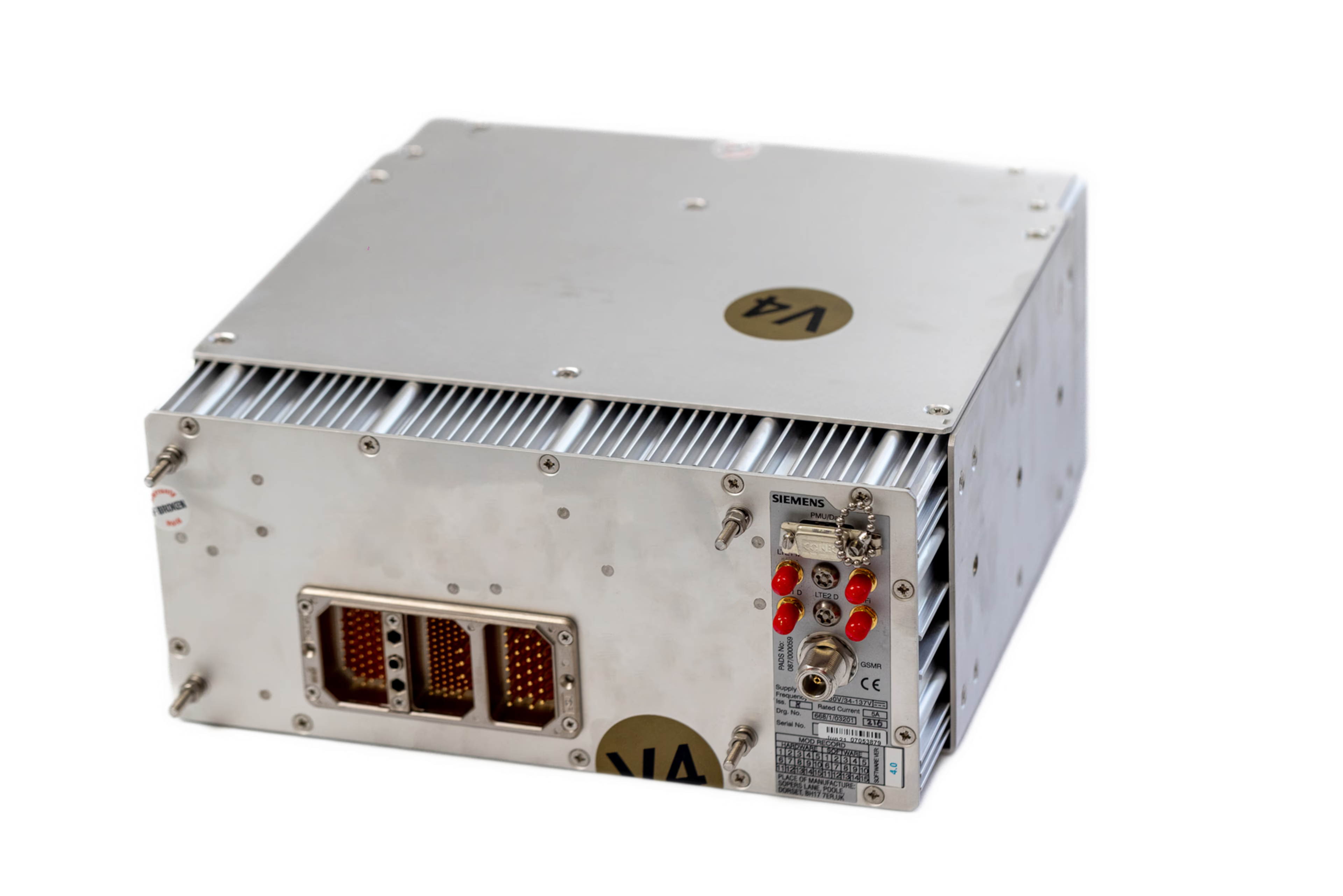
Airlink 400 Series
Siemens Mobility's Airlink 400 Series includes the Voice Cab Radio SVR-400 and SVR-401 which offer several new features to improve functionality and performance. It features a unique gland box system allowing fast installation and replacement, and an optional uninterrupted power supply unit providing either two or four hours' back-up power in the event of train power supply failure. A demonstrated MTBF in excess of 250,000 hours minimises downtime and total lifetime costs.
GPS and 4G are integrated into the processor board along with the option of one 4G or 5G module and a Wi-Fi module for multiple data transfers, providing an array of applications and seamless migration to 5G FRMCS. A new GSM-R transceiver optimises the shielding of unwanted interference from publicly operated networks. This is an essential addition with the ever-encroaching public 3G/4G networks threatening to interfere with the rail communications network.

Transportable Cab Radio (SVR-400P)
The GSM-R transportable cab radio is a self-contained unit consisting of a GSM-R radio complete with a textual MMI, handset and loudspeaker in a robust case. The transportable cab radio is designed to be easily carried between trains and installed with minimum effort and expertise. It can be used as an emergency back-up or, in trains without a cab radio, can be permanently installed.
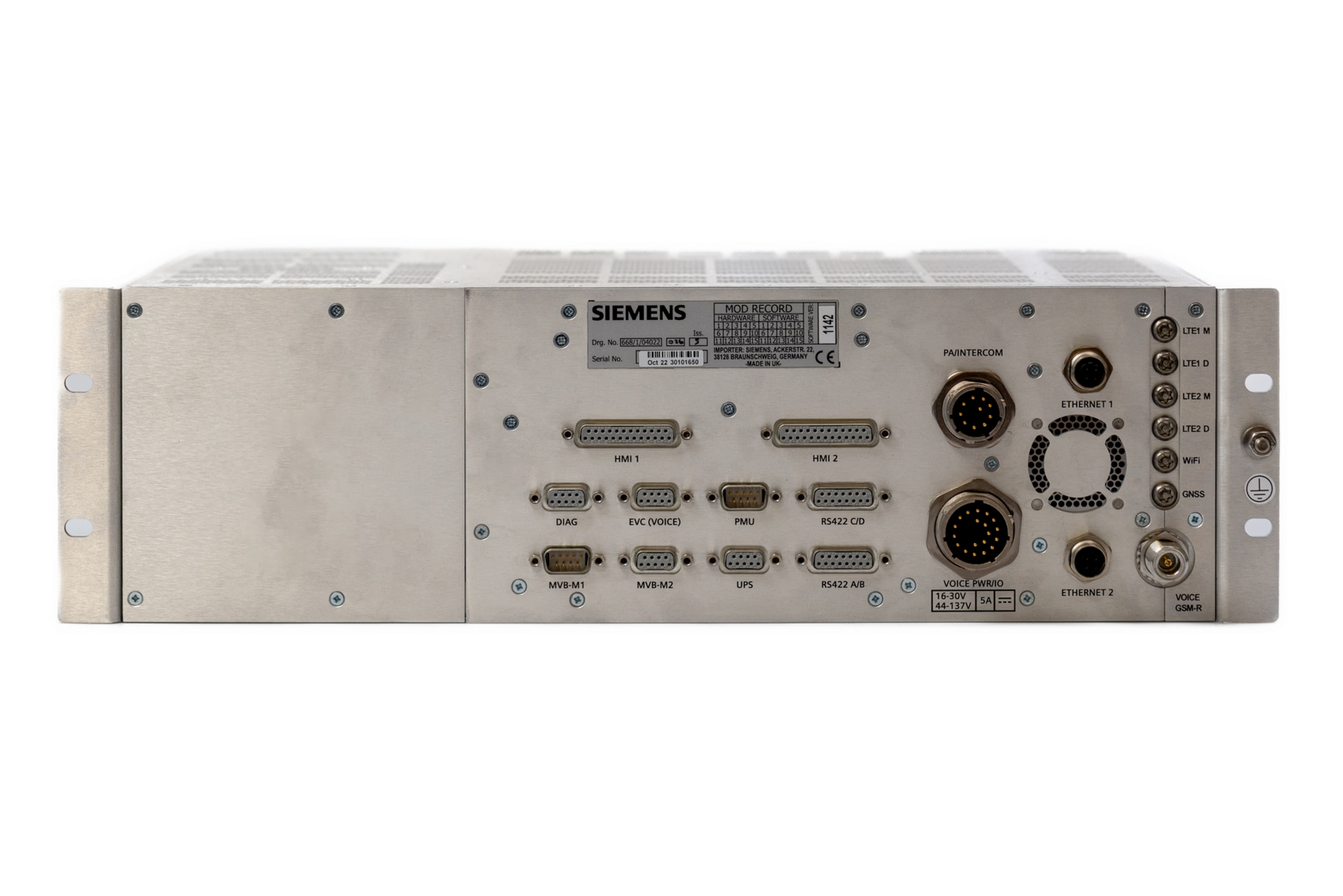
Airlink 500 Voice Cab Radio
The Siemens Airlink 500 Voice Cab Radio series builds upon the 400 series. Introducing a 19’’ rack solution which allows for a number of different performance and enhancing modules to be easily interchanged, depending on specific requirements. It includes an interference resistant transceiver, and a GSM-R transceiver optimising the shielding of unwanted interference from publicly operated networks.
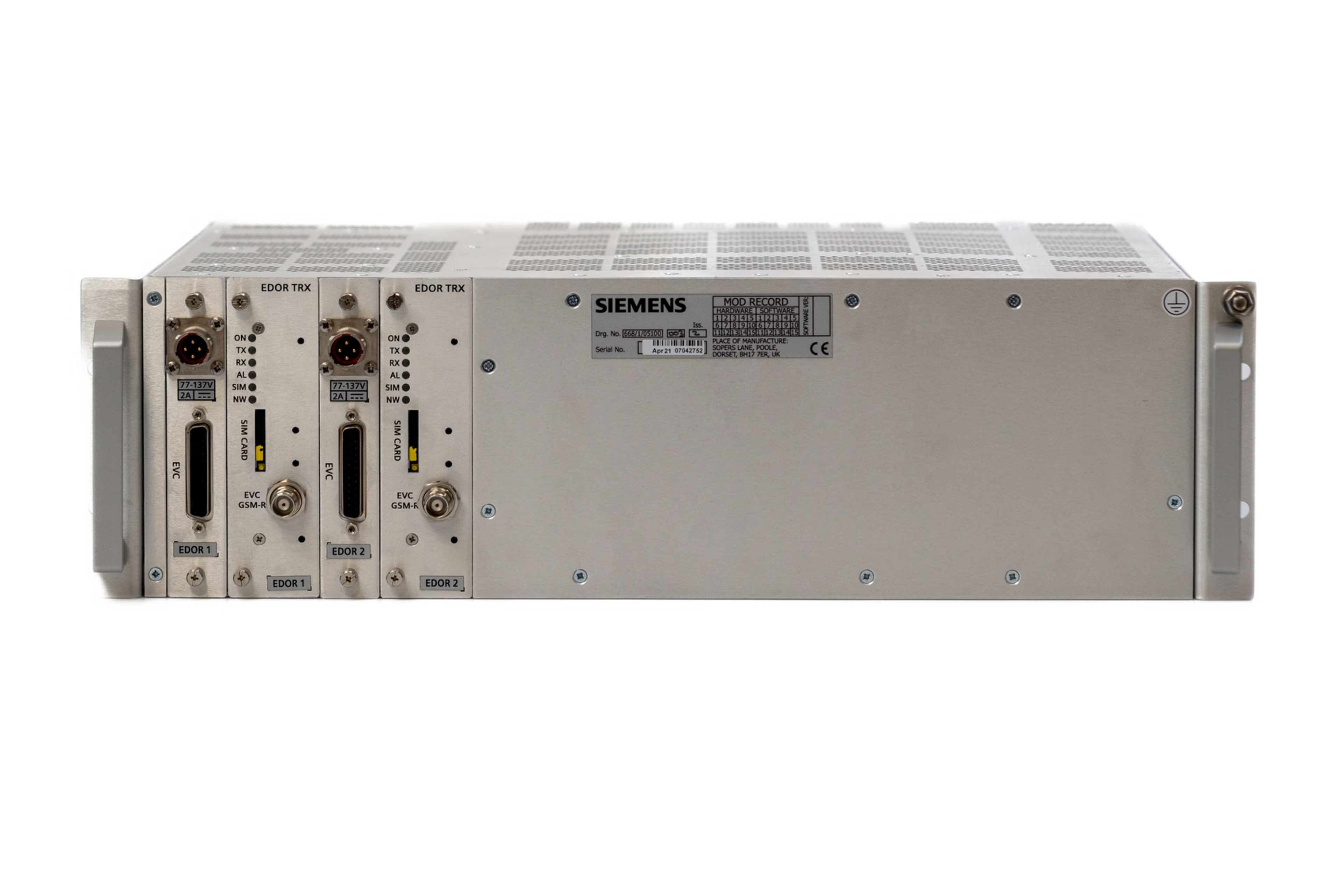
Airlink 500 Data Radio
As part of the Airlink 500 Series, the Airlink 500 Data Radio, also known as 19" Data Cab Radio, builds upon the SDR-200 ETCS on-board data radio by introducing a 19" rack solution that meets the EIRENE 8/16 specification. The Airlink 500 Data Radio provides an important link for the transmission of movement authorities from the Radio Block Center (RBC) to the train where an in-cab display allows the driver to control the train without reference to lineside signals. The radio is a compact unit designed for ease of installation with ETCS equipment from other suppliers. All the main components within the data radio are fully duplicated to provide the necessary high availability required by the application. Furthermore, by simply adding an additional processor card it is possible to future-proof the equipment and provide an upgrade path for operators to transition to 5G FRMCS.
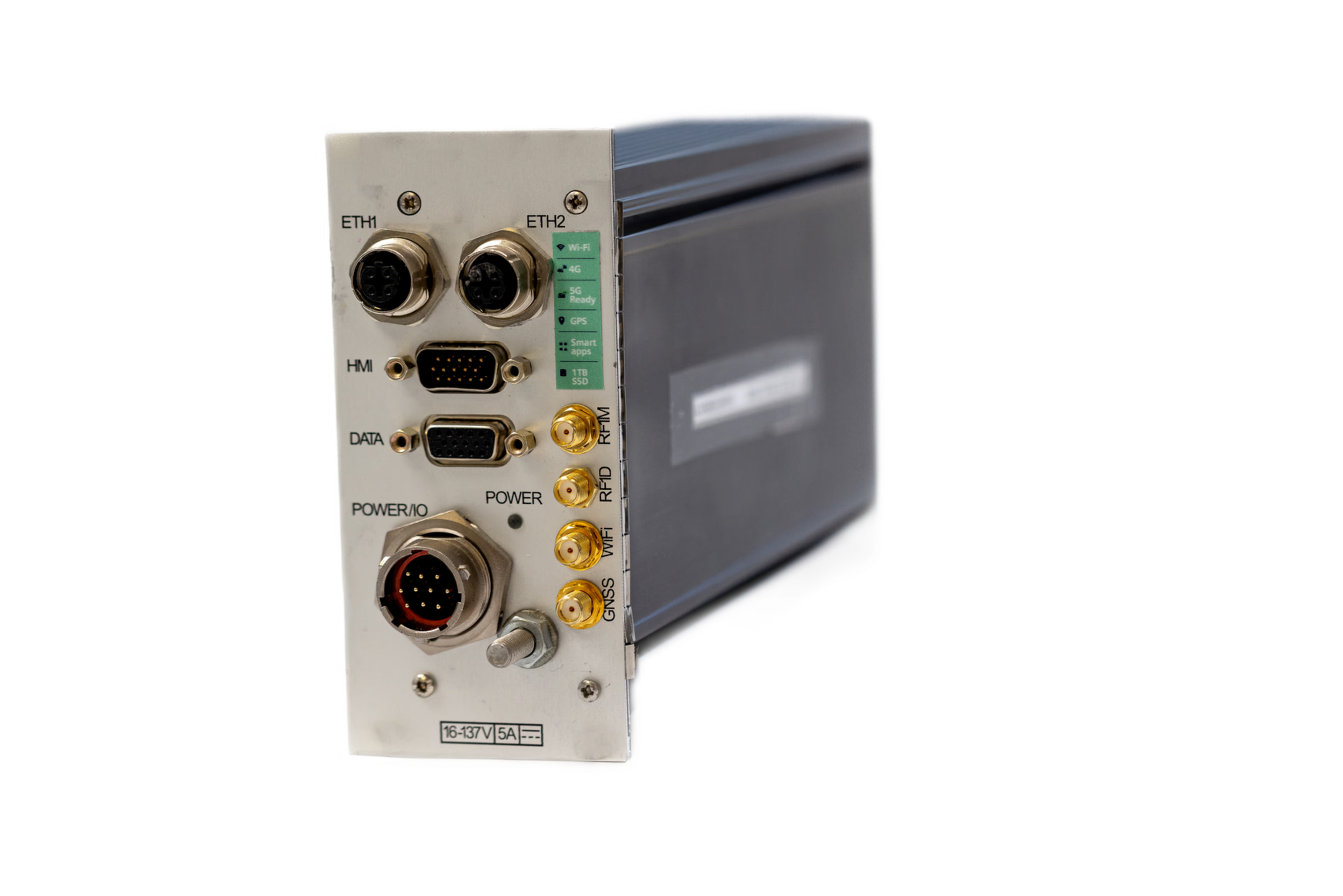
Airlink 600 Series
Siemens Mobility's Airlink 600 Series includes the Mission Critical Light Radio and the forthcoming FRMCS Light Radio. Building upon Siemens Mobility's 20 years' experience in the cab radio market, the Mission Critical Light Radio offers built-in Wi-Fi and GPS connectivity as well as embedded accelerometers. This also provides the opportunity to run several location-dependant applications, for example, Driver Advisory System and Trainborne Condition Monitoring.
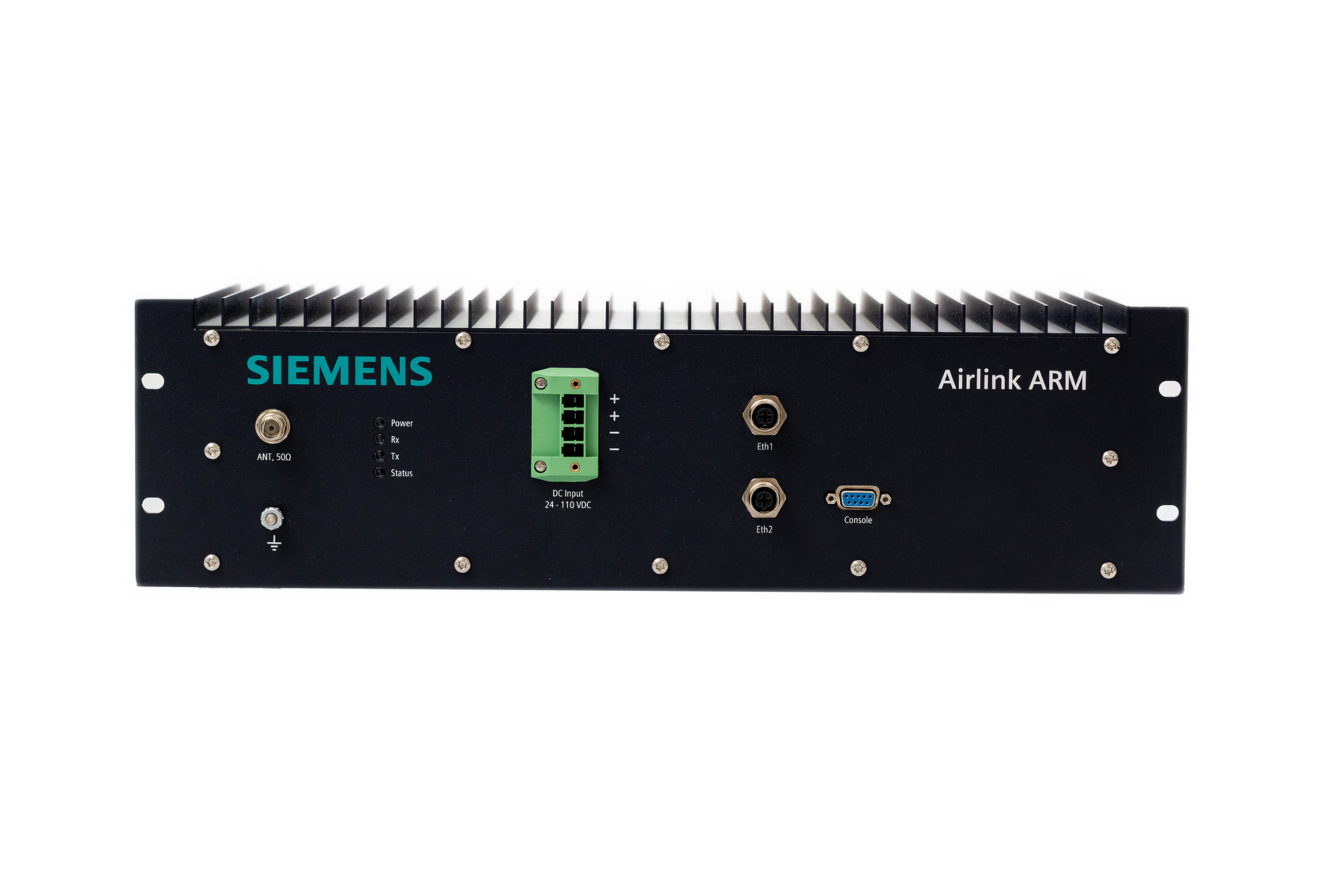
Airlink 700 Series
Siemens Mobility's Airlink Analogue Radio Module (ARM) meets the UIC-751-3 requirements applicable to the train radio. The ARM architecture makes use of the software-defined radio to implement the core functionality, and gives functional flexibility to the customers via software updates. A two-way digital audio interface and a message interface over an Ethernet allows customers to have a flexible dual-mode analogue and GSM-R solution when combined with Siemens Mobility's Airlink Radio series.

Rolling Stock Radio
The Siemens Rolling Stock Radio (SDM-511) is the latest developed 19’’ cab radio, that can fully re-use the existing train installation design while offering additional capability that enables GPS as standard, as well as 4G and optional Wi-Fi connectivity. It operates in range of 873MHz to 916MHz for the transmitting frequency and a range of 918MHz to 960MHz for the receiving frequency range. The radio is designed with modular architecture and provides an upgrade path to FRMCS utilising 5G hardware additions.
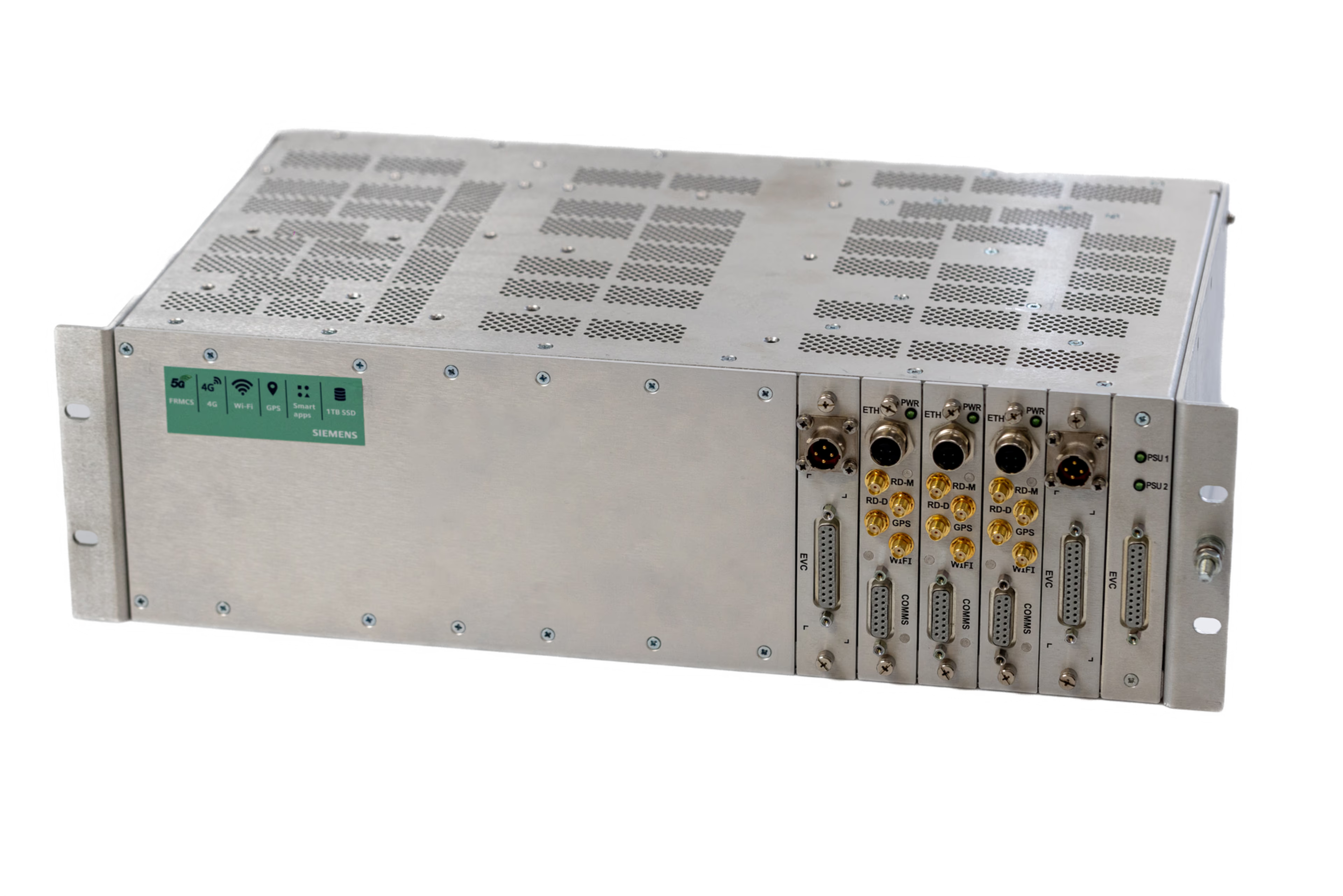
MCG Gateway
The MCG Gateway (SFG-554) has been developed to address the flexible data requirements for the migration to FRMCS. The radio offers 5G voice and data connectivity and the configuration can be adapted to the customer's needs. As well as Wi-Fi and GPS, the Gateway includes embedded accelerometers, which allow for several location-dependent applications to run. As well as supporting the MCX customer requirements, the Gateway system provides a wide range power supply and three or more 5G processor cards at different frequencies.
Dual Mode Capability
All Airlink 600, 500 and 400 Series can be transformed into dual-mode radios by simply adding an additional processor card. Dual Mode Capability enables a seamless migration to 5G FRMCS and allows the following features:
- GPS/GNSS module
- 5G module (3GPP Rel.17)
- Ethernet port
- Embedded accelerometers
- Wi-Fi module
- Cab radio MTBF 100k hours
- Optional additional LTE data module
Control panels: Relevant information and intuitive interaction at all times
Siemens Mobility's driver control panels benefit from long-standing development and research. All design decisions are founded on real-world operations. Train drivers' comments and assessments are being fed back into product development.
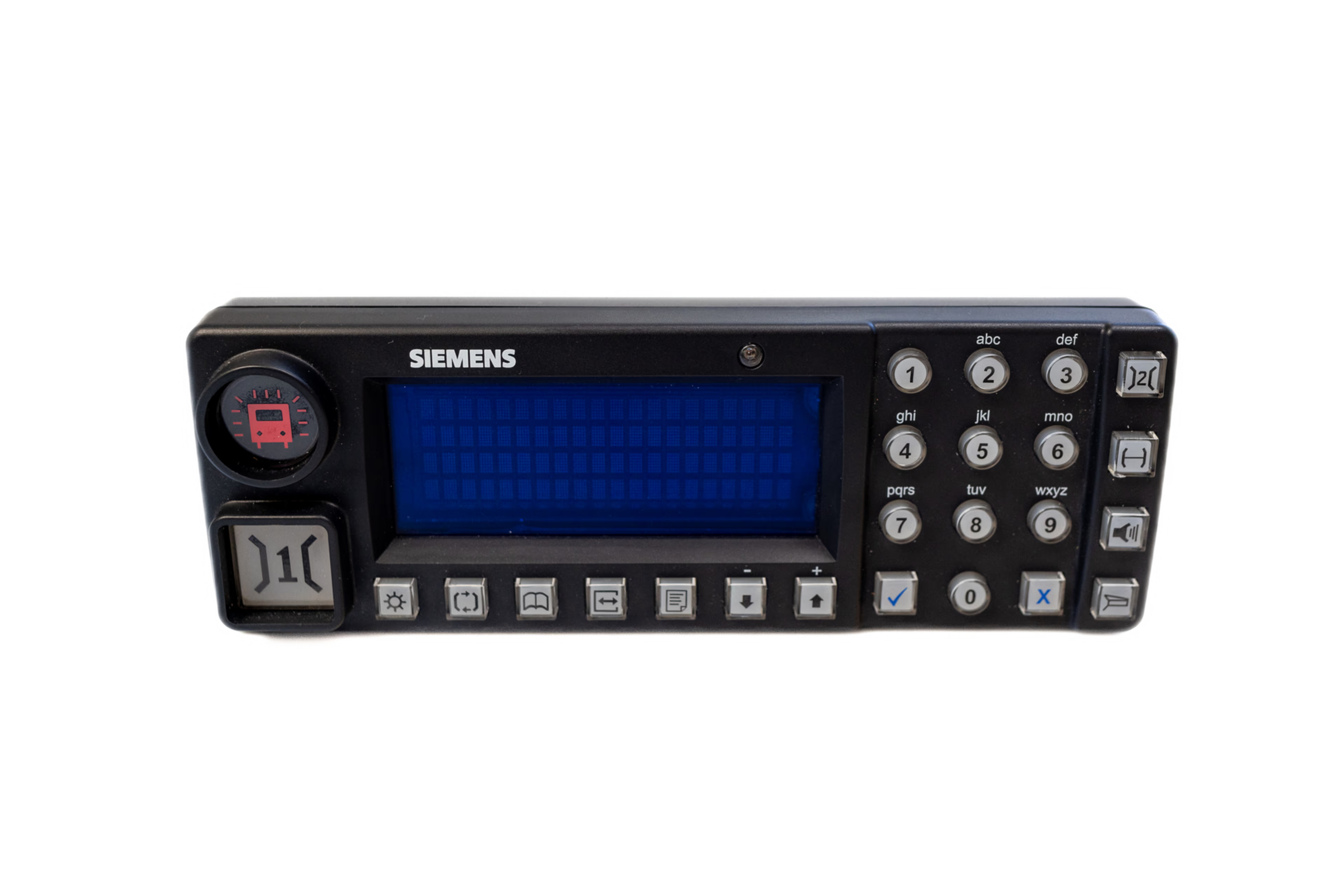
Textual driver's control panel
The Siemens Mobility textual drivers control panel (or Human Machine Interface) is one of the smallest available on the market. Interactive dialogues between Siemens Mobility design engineers, drivers and human factors groups resulted in a driver's control panel layout that is both intuitive and non-distracting, making it easy to use. Drivers experience positive tactile feedback, confirming that the desired button function has been achieved.
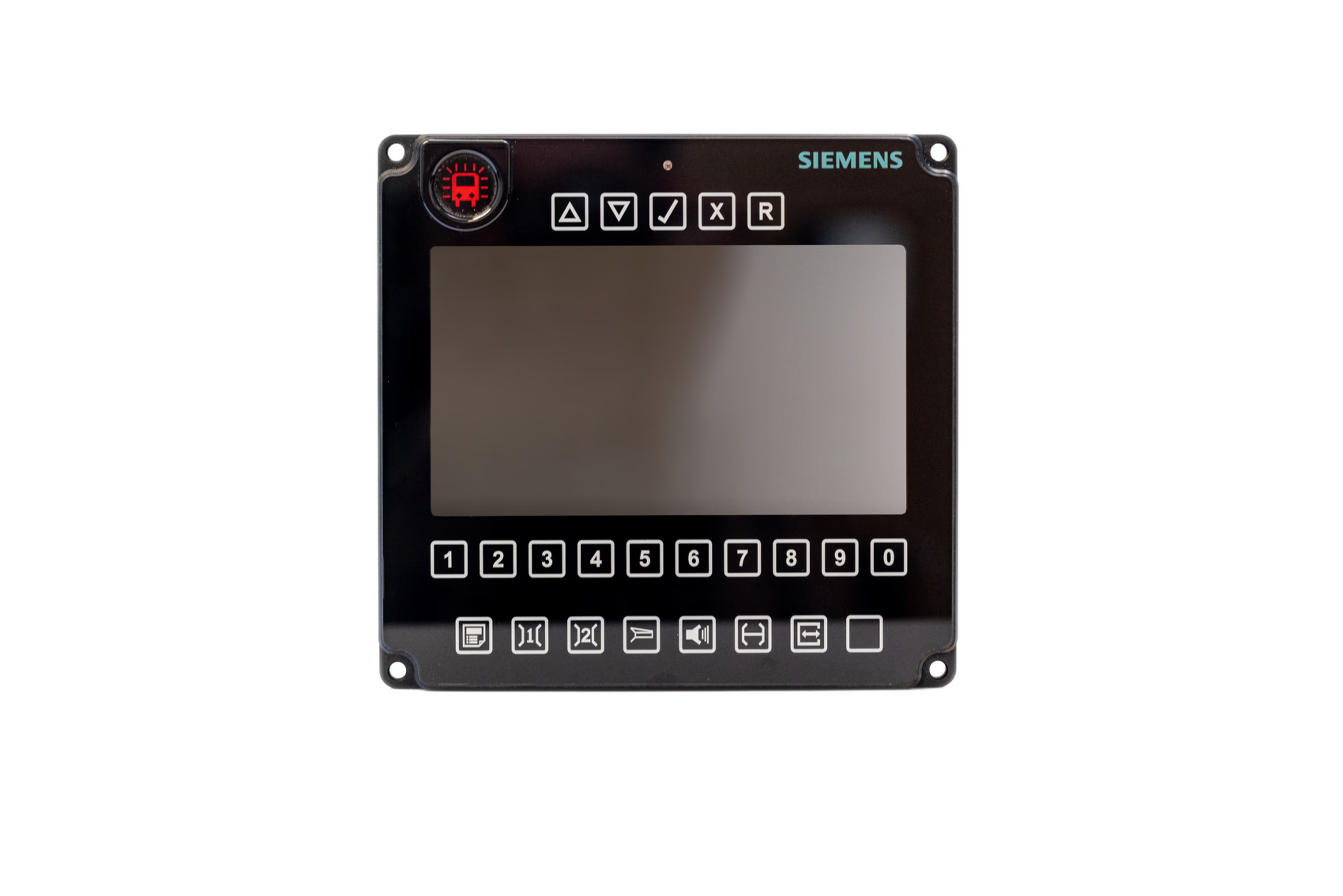
Graphical driver's control panel
The Siemens Mobility graphical driver's control panel (or Human Machine Interface) was designed to take account of environment, size and ease of installation. It includes an integral loudspeaker, and features a colour Thin Film Transistor (TFT) display and illuminated push buttons enabling clear, uncluttered communications to the driver. The illumination and key back-lighting intensity is set by the driver, with automatic compensation control based on external ambient light levels. The back-lit display also provides a wide viewing angle. Legible, high display resolution allows any character set to be presented.
Antennas
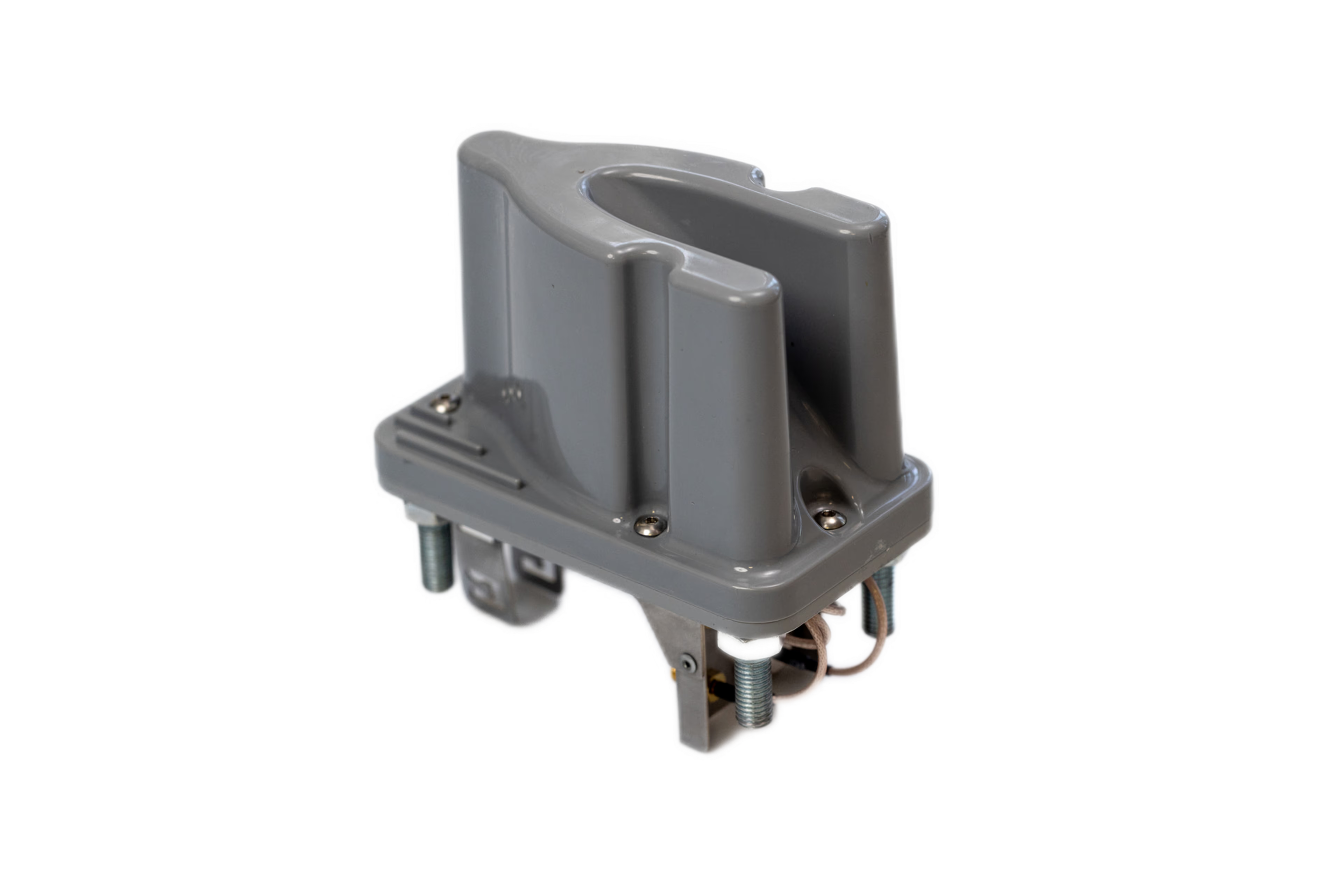
Multiband Antenna 1
Siemens Mobility's Multiband Antenna is an innovative solution that builds upon existing GSM-R antennas by expanding their capabilities. Adapting to the latest advances in our on-board Cab Mobile range, including the migration from GSM-R to FRMCS, our solution provides an alternative to the fitment of multiple antennas to trains.
Multiband Antenna 2
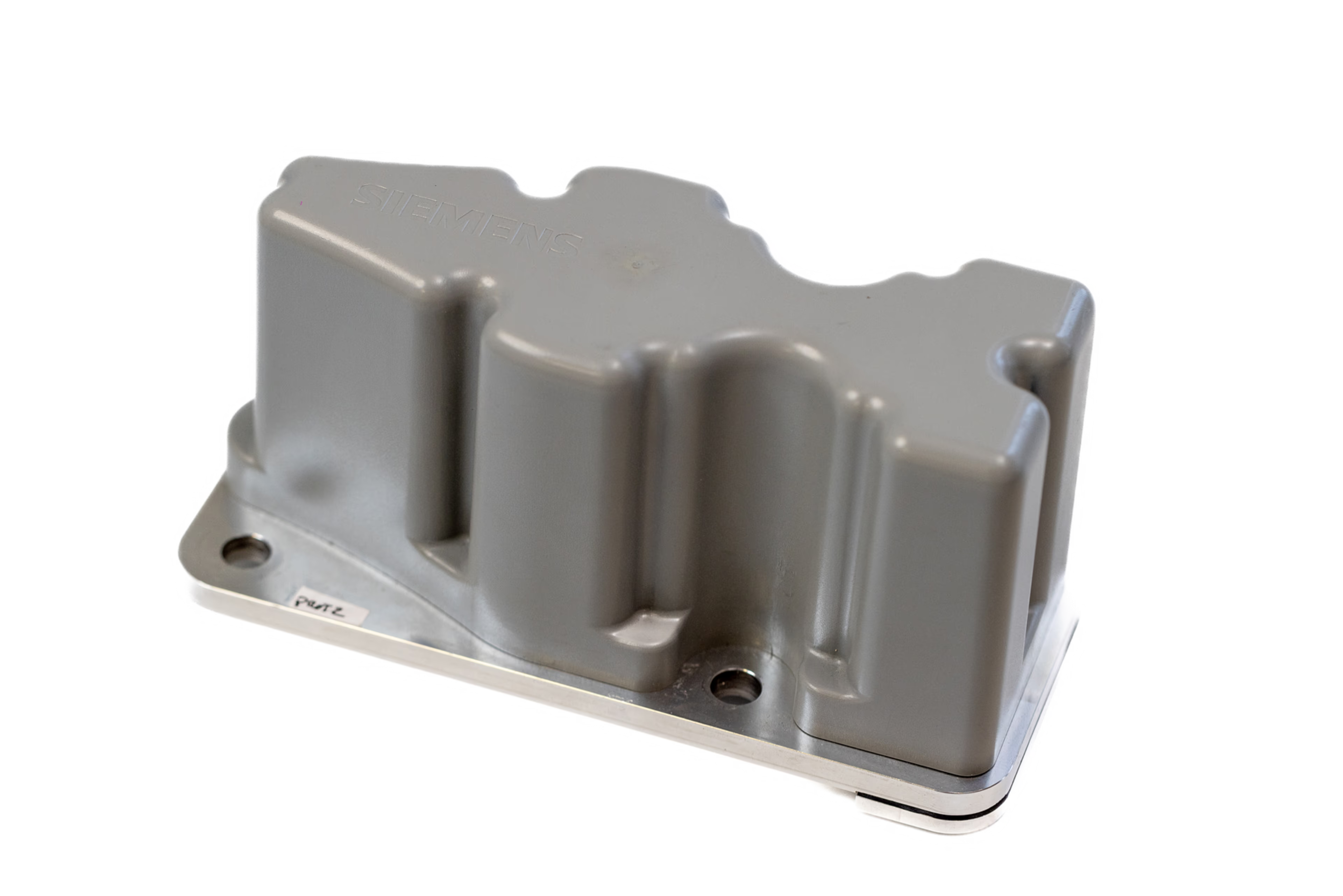
Siemens Mobility's Multiband Antenna 2 continues to provide GSM-R coverage, with the integration of global navigation satellite system (GNSS) and two 4G radiating elements, our latest design supports next generation data services, eradicating the need for multiple antennas to be fitted onto trains.
RailXplore smart applications
Airlink cab radios can be used as a platform for applications that offer completely new ways to support drivers, train staff and operators without requiring new hardware. If a Siemens Mobility cab radio is not in use, stand-alone devices are also available, enabling the use of applications independent of a cab radio system.
Connected Driver Advisory System (C-DAS)
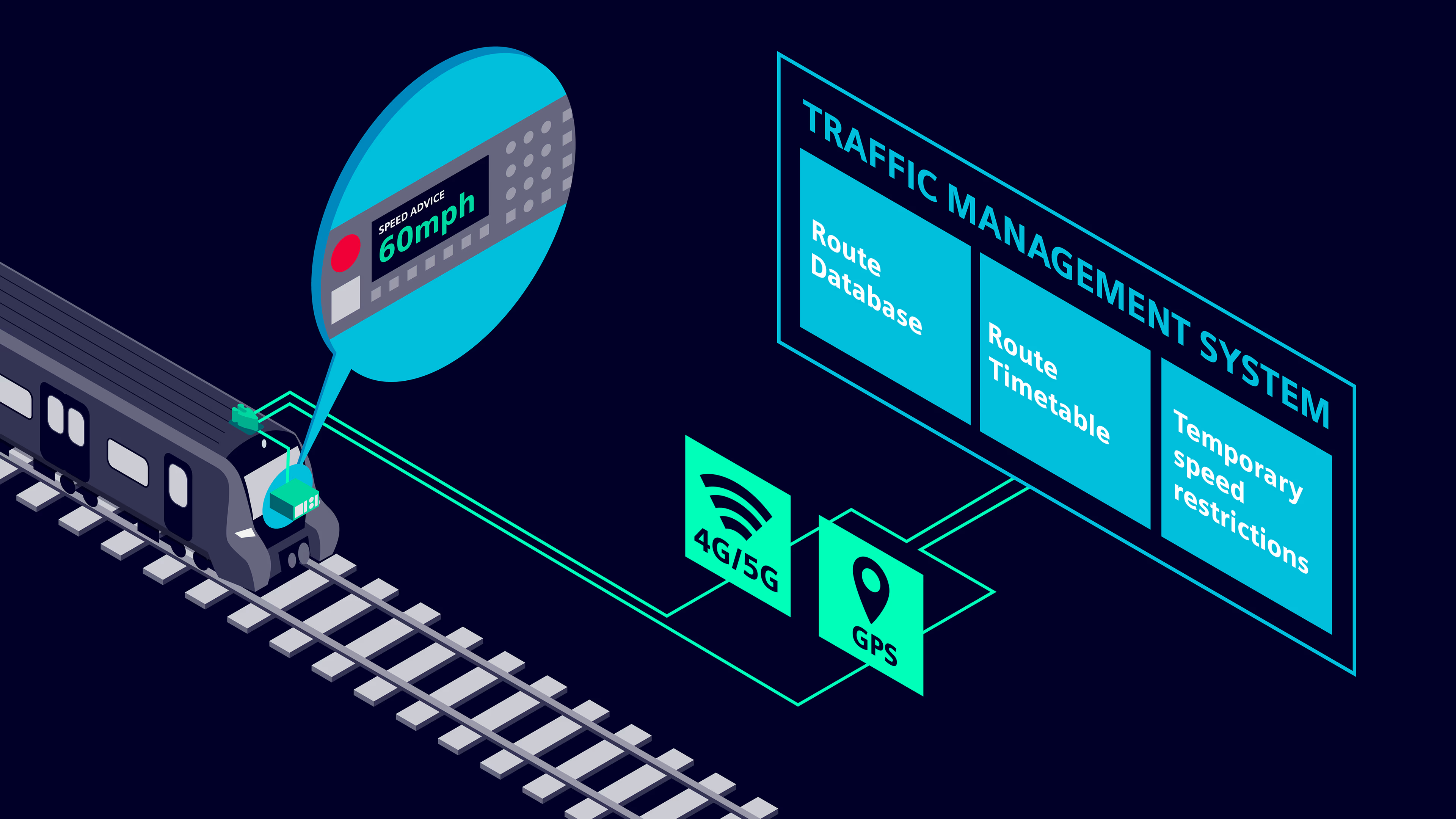
Driver advisory systems support train drivers in achieving a consistent and economical driving style. Implemented as a software application, the system usually makes use of a train’s cab radio. Siemens Mobility cab radio hardware is used to provide 4G and GPS functionality, thereby facilitating real-time updates by interfacing with the Siemens Mobility Train Management System (TMS). Real-time updates of route data, timetables and temporary speed restrictions will improve train punctuality and optimise line capacity. The Siemens Mobility Driver Advisory System is offered with three connectivity solutions to suit a customer’s needs.
Trainborne Condition Monitoring (TBCM)
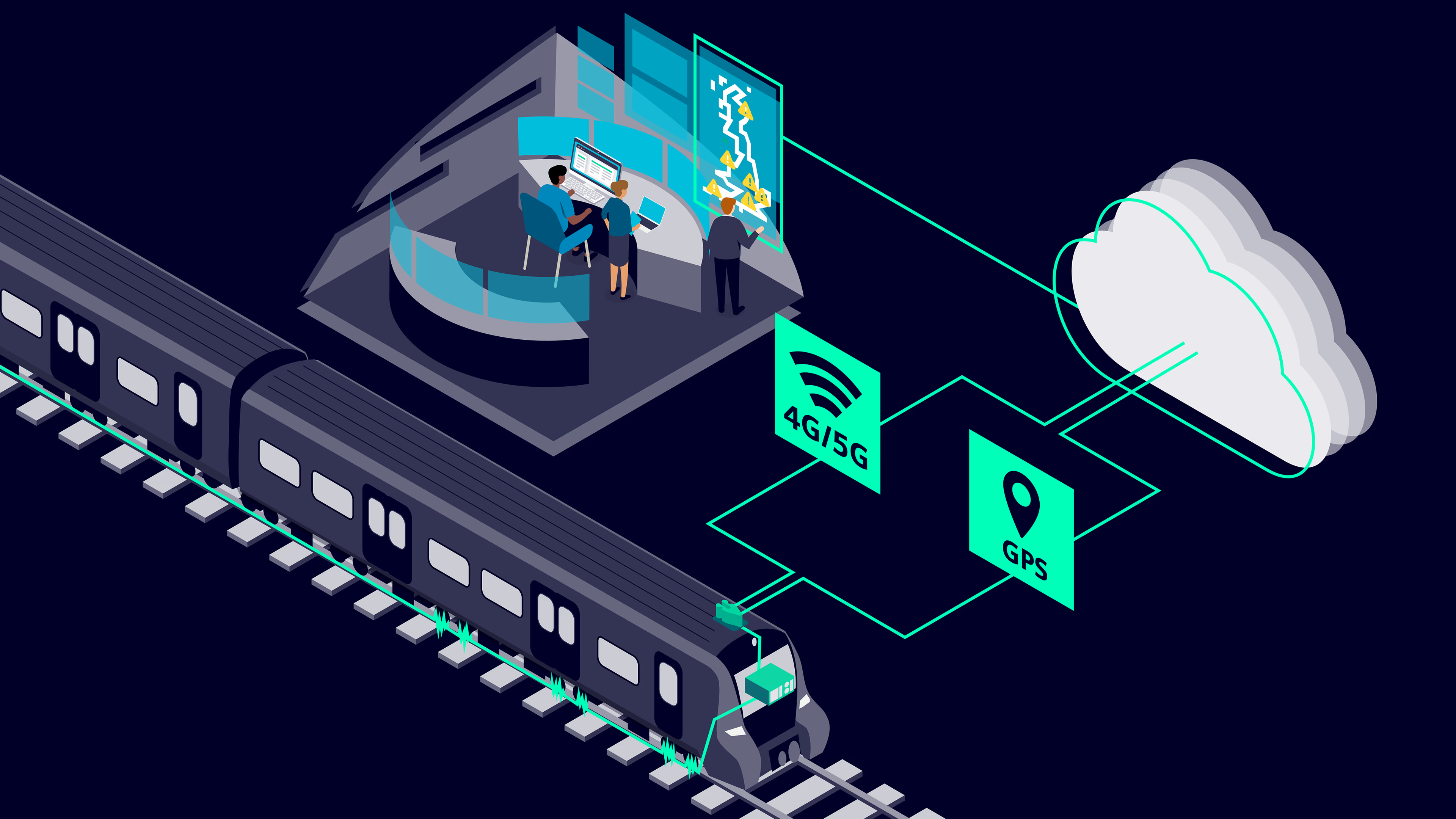
Using TBCM on a fleet of trains is an innovative and inexpensive way to monitor rail networks. Each TBCM system employs sensors to record the train's movements across three spatial axes. Aggregating this information across several runs provides accurate warnings and information on track defects, such as voids.
Trainborne Condition Monitoring can be configured to suit individual customers' needs and specifications.
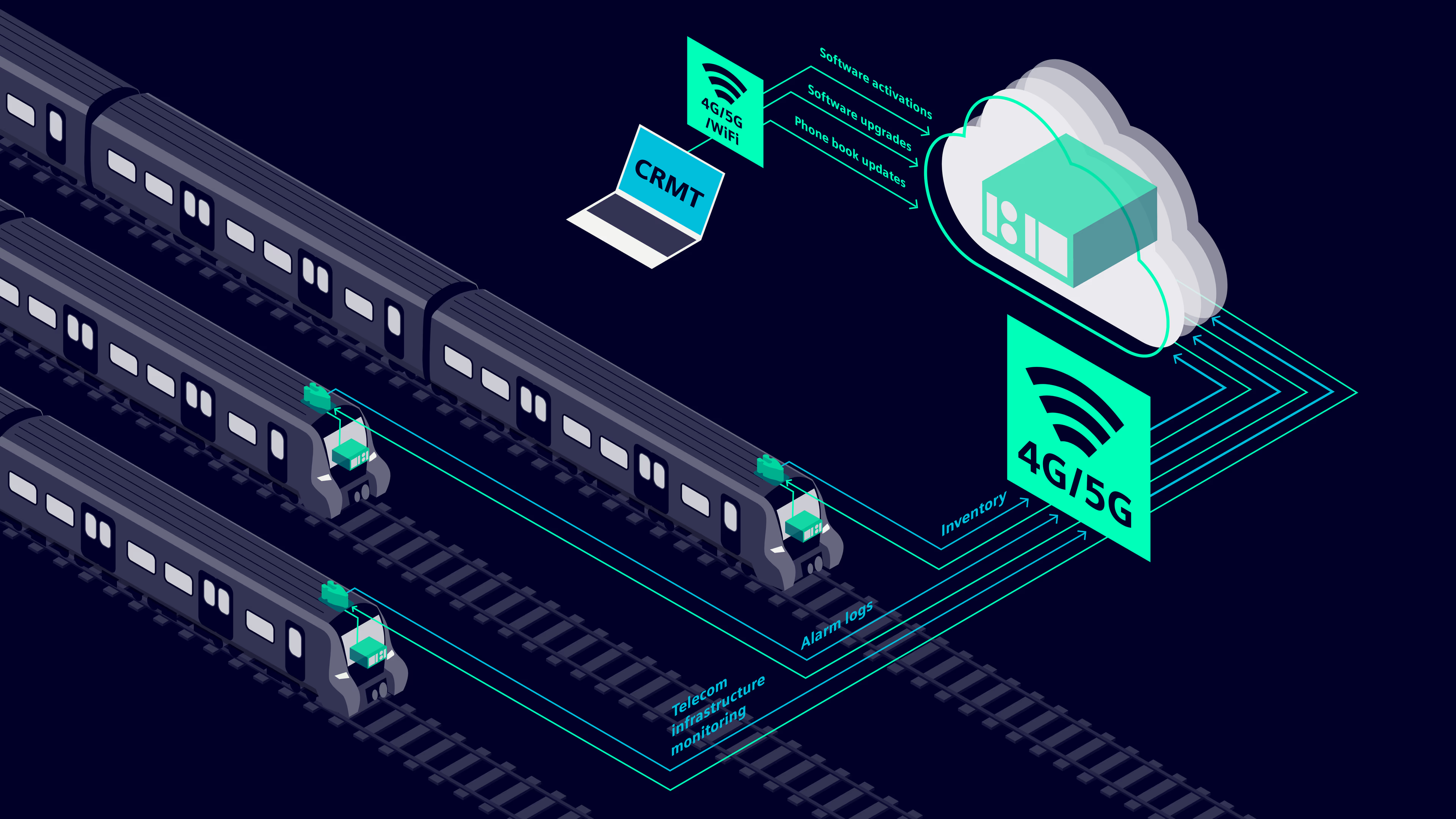
Cab Radio Remote Management Terminal (CRMT)
The Siemens Mobility Cab Radio Remote Management Terminal (CRMT) lets administrators manage cab radios remotely via an IP connection. This allows for easy updates of a cab radio’s software, phone book entries and message templates. The management terminal is able to keep track of a whole fleet’s cab radios via their types and serial numbers. Error logs and language files can also be administered. Maintenance and management tasks can be scheduled to run while a radio is idle, while automating certain tasks is also possible. Our Cab Radio Management Terminal is offered in two connectivity solutions to suit a customer’s needs.
Want to know more?
Siemens Mobility offers a complete range of equipment, infrastructure and services to increase the reliability, availability and cost-effectiveness of your rail operations.
Contact Us: mobilecommssales.gb@siemens.com